I’m only surprised this doesn’t happen way more often. Surely a lot of people go into health research precisely to try to cure illnesses they have. If they come up with something very promising, why not try it on themselves?
A scientist who successfully treated her own breast cancer by injecting the tumour with lab-grown viruses has sparked discussion about the ethics of self-experimentation.
I post almost nothing there—basically, just links back to my blog here—but you can go find me there with the other cool kids who are not as clever as Cory Doctorow.
It seems like every business now has its own app, which usually offers remote ordering, as well as discounts. I do my best not to use any of them, because they demand (and transmit to the business) all sorts of private information from my phone. This seems to me like something my phone ought to fix.
It ought to be pretty easy on the phone to provide a virtual machine which only passes to an app whatever information the phone owner wants to pass on. For example, you could configure a video loop to provide, if the app wants to turn on the camera, or an audio file to provide if the app wants to turn on the microphone.
You could get quite fancy about things like location, if you wanted to. For example, a fast food app could be provided a random location, but one that was a configurable distance from the fast food restaurant. (I’m imagining that the fast food apps either already do, or soon will, adjust the price based on where you are. For example, if you’re already in the parking lot, they can raise the price, assuming that you’ve already decided to buy from them. They can cut the price if a competitor is closer to your location, to reduce the chance that you’ll stop there instead. The phone could pick a location to maximize your discount, to the extent that people had been able to figure out and share the algorithm.)
These sorts of tweaks would be easy to implement, but there’s no functionality in phones to provide them. It’s as if the manufacturers of the phones want to rat you out to every business with a phone app.
I resist by strictly limiting which apps I install on my phone. But I’d be a lot happier with a virtual machine which would put me in control of what data about me those installed apps could get.
I’m a bit surprised that the billionaires are so blasé about a fascist taking over the government. Yeah, yeah—maybe their taxes will go down. But maybe not—Trump only cares about his taxes, not theirs.
More to the point, don’t they know what’s been happening to the billionaires in China and Russia these past few years?
I do not understand why anyone would want their drivers license on their phone (iPhone Driver’s License Support Expands to Iowa). It purely facilitates a cop taking your phone away and doing who-knows-what to it.
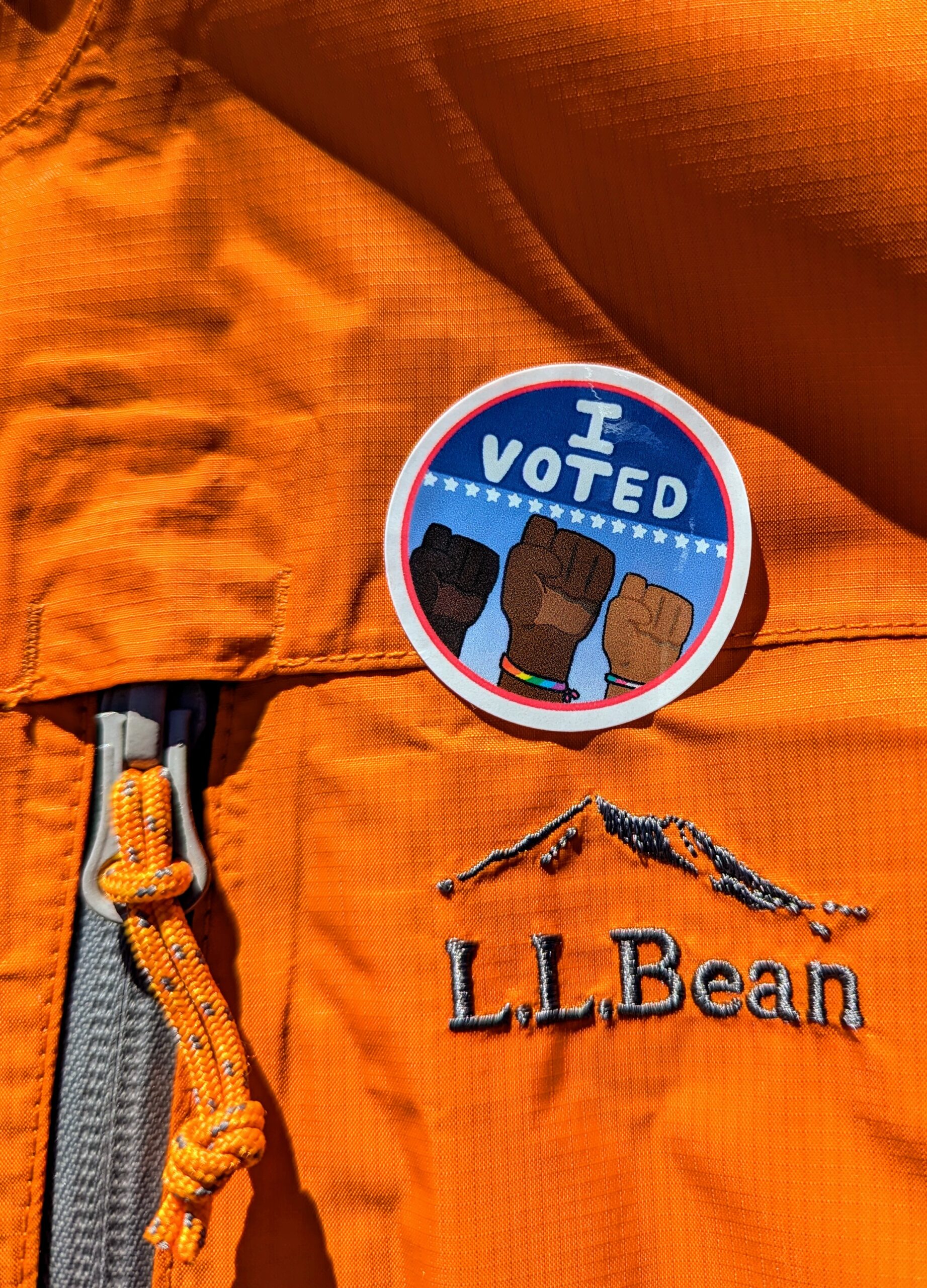
I keep seeing posts urging me to check my voter registration while there’s still time to register if my registration has been improperly deleted, and thinking, “Oh, right. I haven’t done that! I should check!” And then I remember that I voted last week, so I’m all set. Phew!
I don’t get why people are treating Helene like some unpredictable catastrophe, rather than just the way things are now.
I’m like, “Hey, it’s going to be like this all the time from now on—either impending disaster, disaster occurring, trying to rescue people from the disaster, or recovering from disaster—from now on.”
It’s weird that people don’t understand that. I mean, it’s so obvious to me, but people are still treating each new disaster as an unpredictable one-off.
Cory Doctorow points out a key—and helpful to us—aspect of Project 2025:
These are the conflicts that are so central to the priorities of blocs that are so important to the coalition that they must be included, even though that inclusion constitutes a blinking “LOOK AT ME” sign telling us where the right is ready to split apart.
If you live in Illinois, and care about vulnerable people, consider signing this petition for mask mandates in healthcare facilities: https://chng.it/WdnkRXGkXx
One of the great things in Illinois is the libraries are structured as taxing districts. With voter permission they can levy a property tax, and then receive the funds from that tax. So there’s no danger that the city, township, or county will decide that it needs the money more. Or, as in this case, that the library is doing something wrong, and therefore shouldn’t get any money until they toe the line.