
I want one of these signs with the word “rentiers” swapped in for “renters,” but otherwise unchanged.


I want one of these signs with the word “rentiers” swapped in for “renters,” but otherwise unchanged.
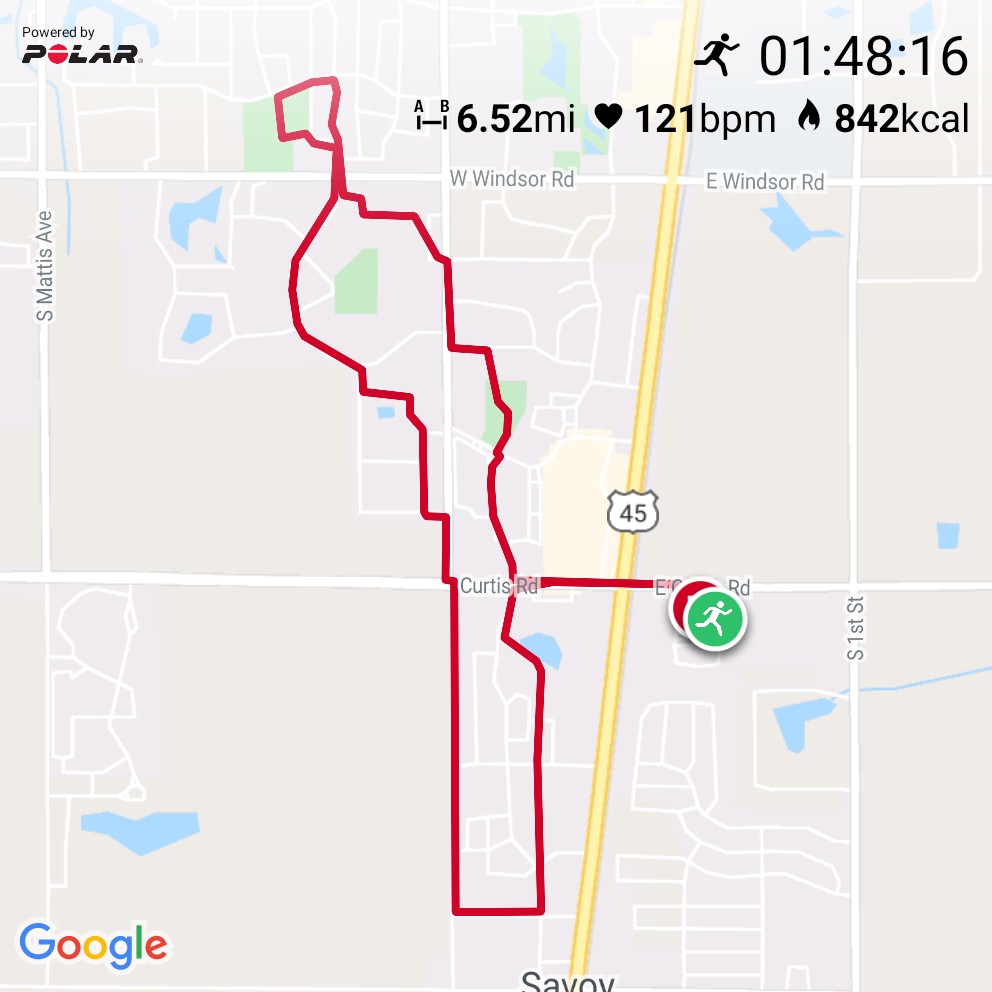
My longest run in a long time. Nice easy pace throughout, with some walking in the second half when my knees got a little twingey. 🏃🏻♂️
As a bonus, saw a Great Blue Heron and many goslings!
Somebody should make a “Vs.” movie about a male cardinal who turns out to have been fighting with his own reflection for the whole movie.
“Based on a true story!”
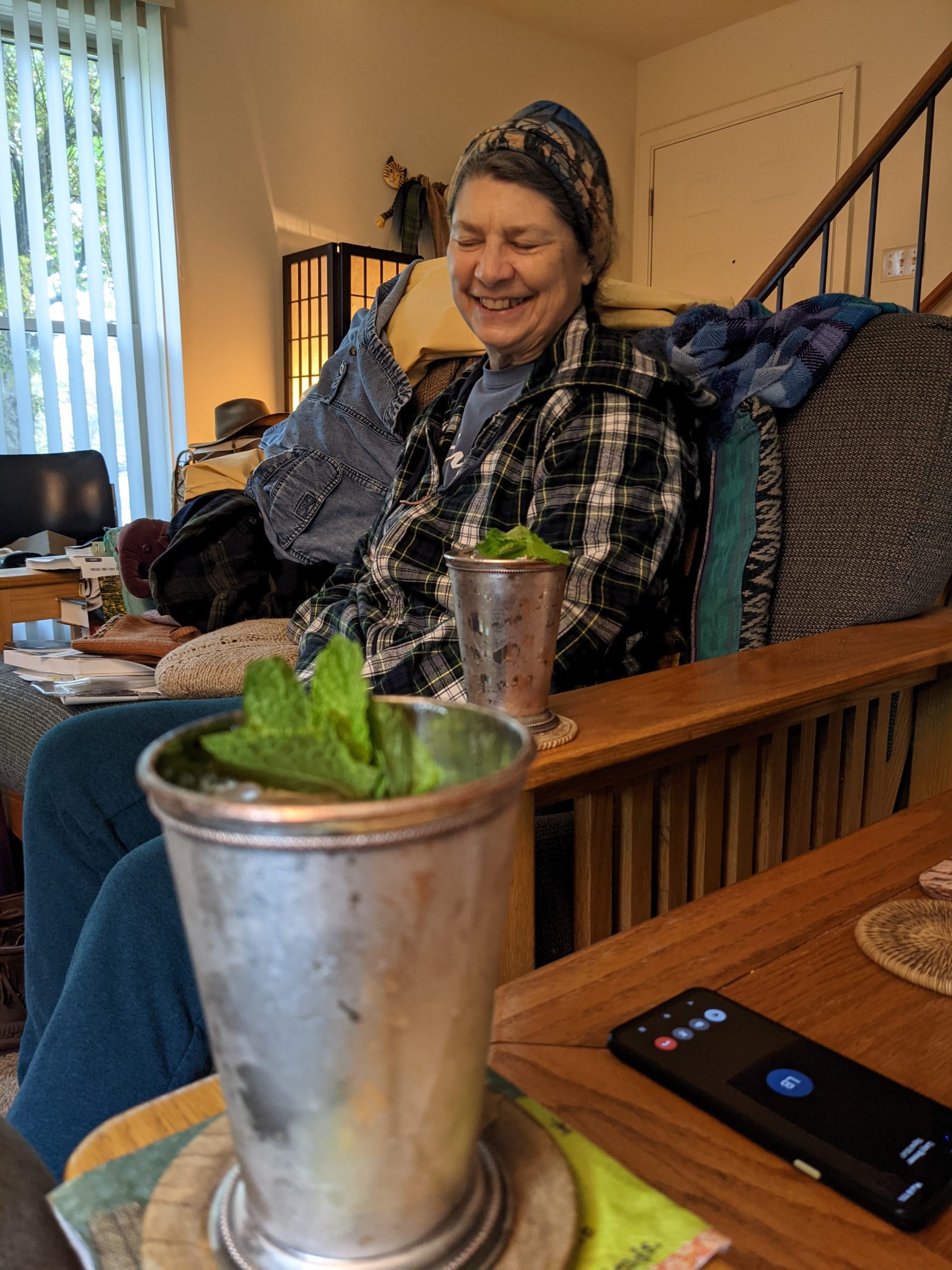
Found our second silver mint julep glass, polished it up, and made mint juleps for @jackieLbrewer and myself.
Just the thing for on-line cocktail hour with the fam.
Huh. For some reason, this post didn’t end up as a comment on my site, so I hadn’t noticed it until now.
I am also looking forward to a visit to the National Postal Museum!
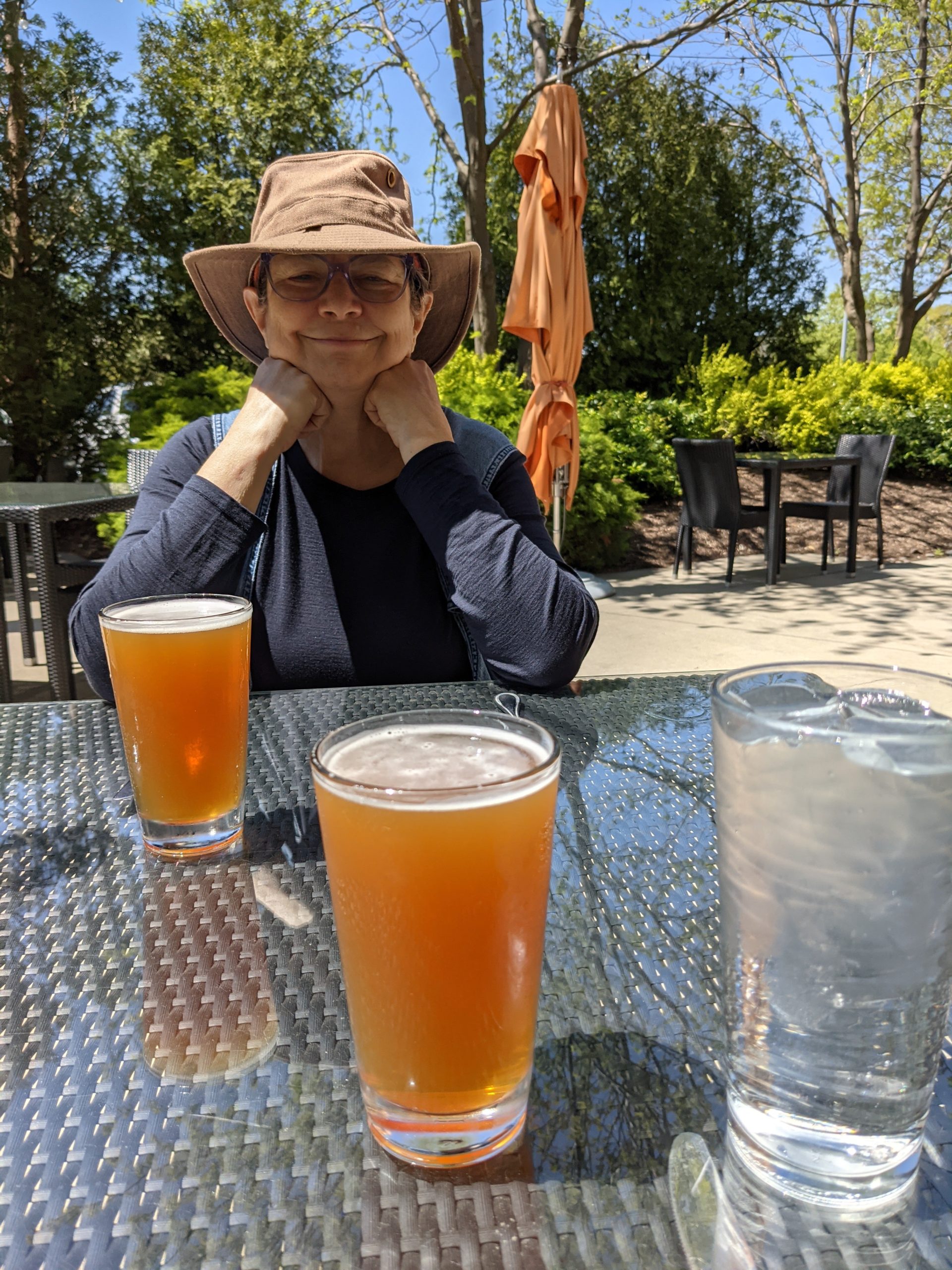
Both @jackieLbrewer and I are drinking the @BlindPigBrewing Happy Trails IPA.
Our first meal out in 14 months.
Ashleigh VanHouten’s Muscle Maven Radio interview with Andy Galpin had a really useful tidbit that has changed my mental framework for approaching training and recovery.
I already knew that adaptation follows stress, but depends on recovery. What Galpin said that surprised me was: You need to ask, “Will spending more resources on recovery allow you to train more?”
I’d never thought of it that way before. I had generally focused on how to train more—how to find the time, how to find the motivation. But I have a history of “getting serious” about my running or my lifting and then getting injured, which clearly means that more and better recovery would be key to being more successful.
I have dealt with this in the past from the training side: figuring that I need to find the sweet spot where I’m training enough to stimulate an adaptation, but not so much that I injure myself. I have not previous tried to deal with it by figuring that I could devote more resources to recovery, and thereby enable doing the amount of training that I want to do.
Galpin mentions the various obvious things that help recovery—better sleep, better diet, massage, etc. but skims over them to emphasize what he thinks is the important thing: Down-regulating. “The folks who can down-regulate post-workout the fastest get the best adaptations.”
Again, I had not thought of it this way before, but this makes perfect sense. Your workout should be up-regulating—putting your nervous system strongly into a sympathetic (flight-or-flight) state. But remaining in a sympathetic state once the workout is over is doing you no favors. The sooner you can get yourself back into a parasympathetic (rest-and-digest) state, the sooner you can start your recovery.
This is potentially huge. Getting into a proper resting state right after your workout has the potential to add hours a day to your recovery time, compared with remaining in a highly sympathetic state until later.
Galpin mentions breathwork as the most effective tool for down-regulating, and he didn’t seem to think it made much difference what you did (what breathing patterns you used, etc.). Or maybe he just thought that once you started a breathwork practice you’d quickly learn what worked for you. He mentioned Brian MacKenzie as a good place to start for learning about breathwork. I poked around there and found this free introductory course to breath work, which I’ve started watching.
The whole interview is good: Dr. Andy Galpin | MMA training, hydration, and taking ownership over your health. This stuff on recovery and down-regulating is mostly from about the 30-minute point through about the 45-minute point. Highly recommended.
Seen on a run: Blue-eyed mary, trillium, blue flox. 🏃

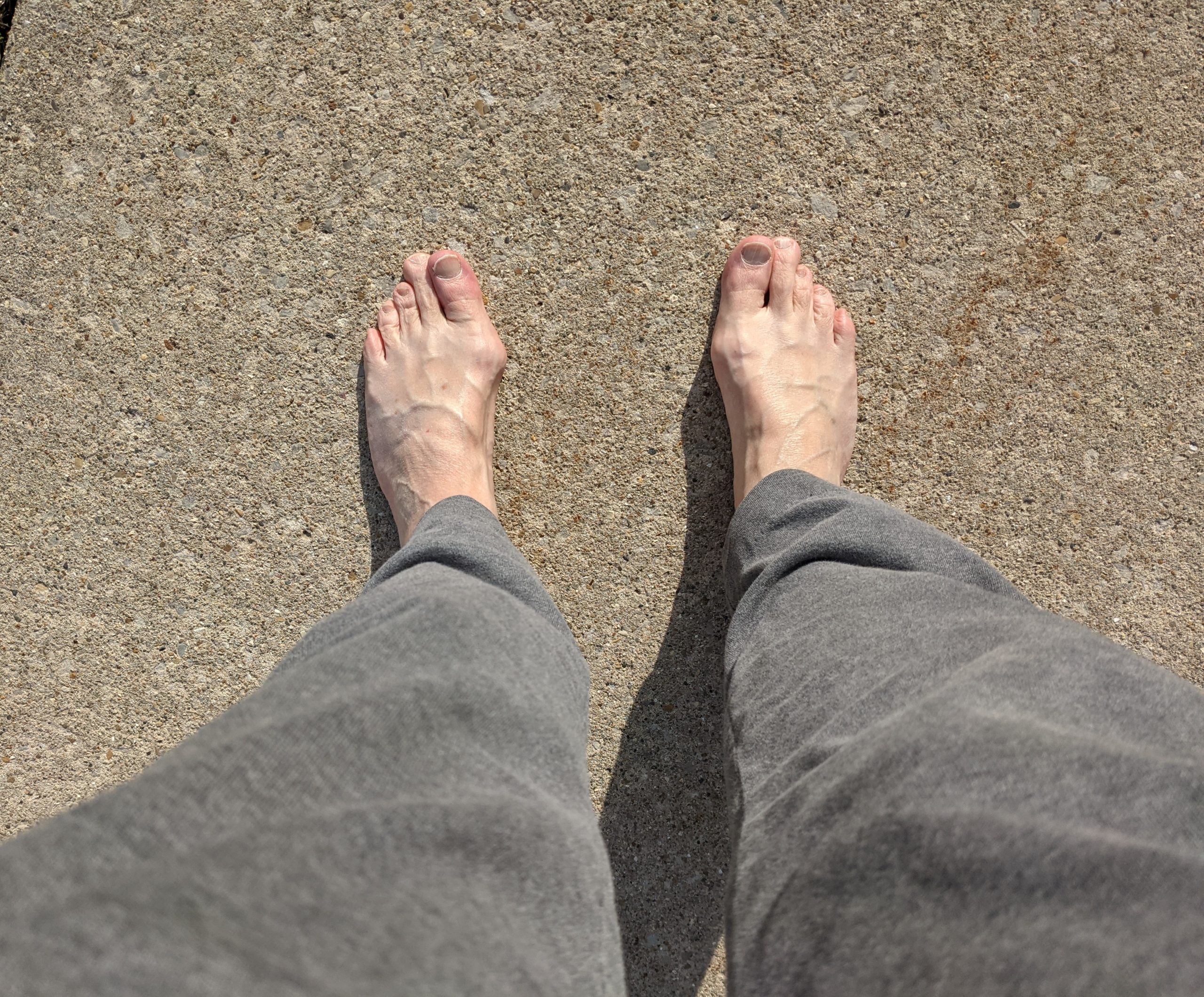
Ekster la domo: mi kun nudaj piedoj. Fine printempo. #Esperanto #hajko #haiku Outside the house with bare feet. Finally spring.
TIL (from the book Ageless) that the second P in “apoptosis” is silent like the P in “pterodactyl.” (Note: the dictionary does not support this pronunciation, even though from the etymology it clearly should.)