
About a decade ago, thanks especially to finding the work of Katy Bowman, but also from taking an interest in parkour and similar disciplines, I came to realize that movement was a better model for healthy activity than exercise.
Then came the pandemic.
For a lot of reasons—in particular, the loss of the opportunity for moving with a community—I found that returning to exercise suited me better, especially in the early days of the pandemic. (Follow that link for a pretty good post about where training falls on the movement vs. exercise spectrum.)
Over the past year I realized that it’s been five years now that I’ve prioritized exercise over movement, despite the fact that I still think that movement is the better choice. But when I started thinking that I should start trying to emphasize movement more again, I realized I already have been.
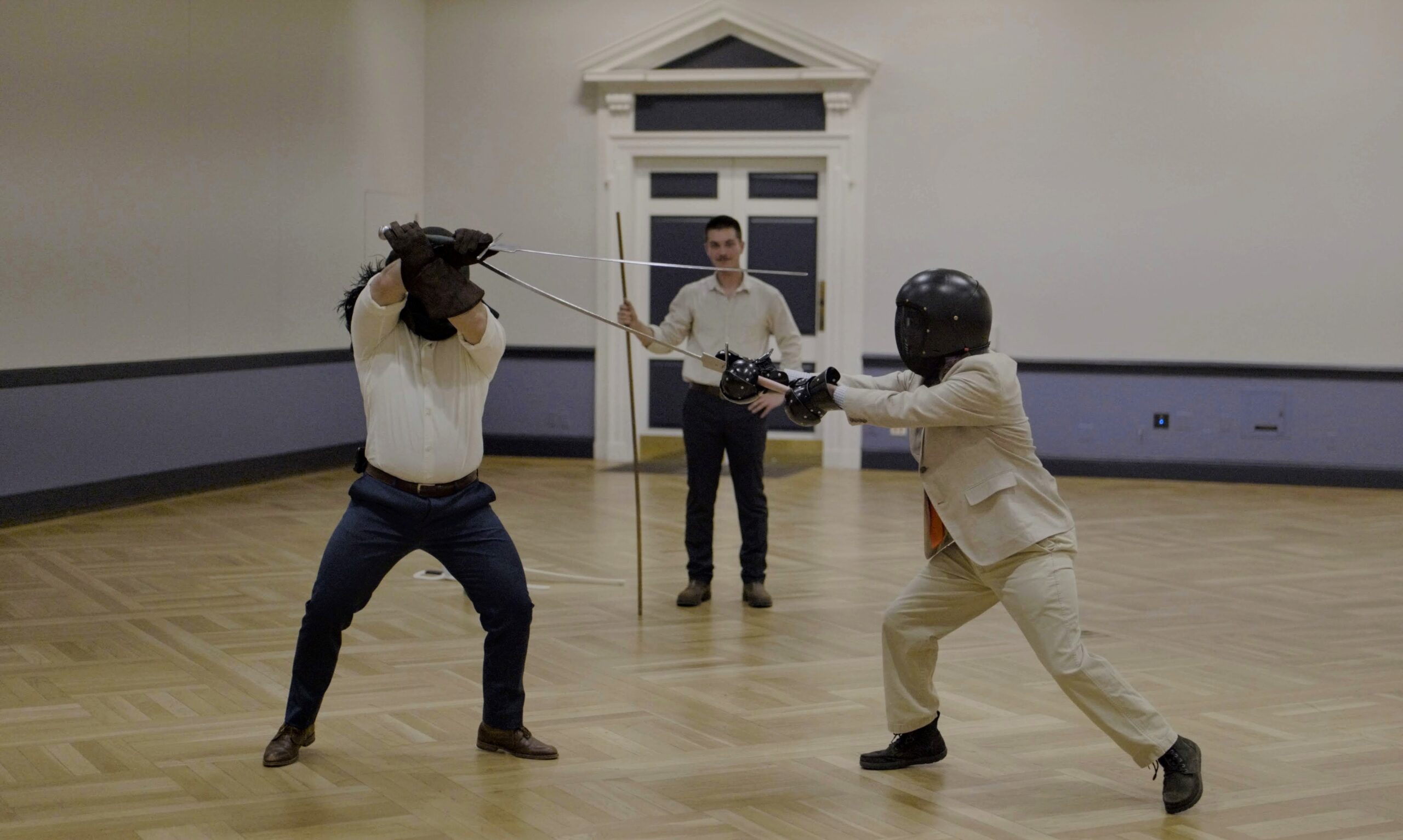
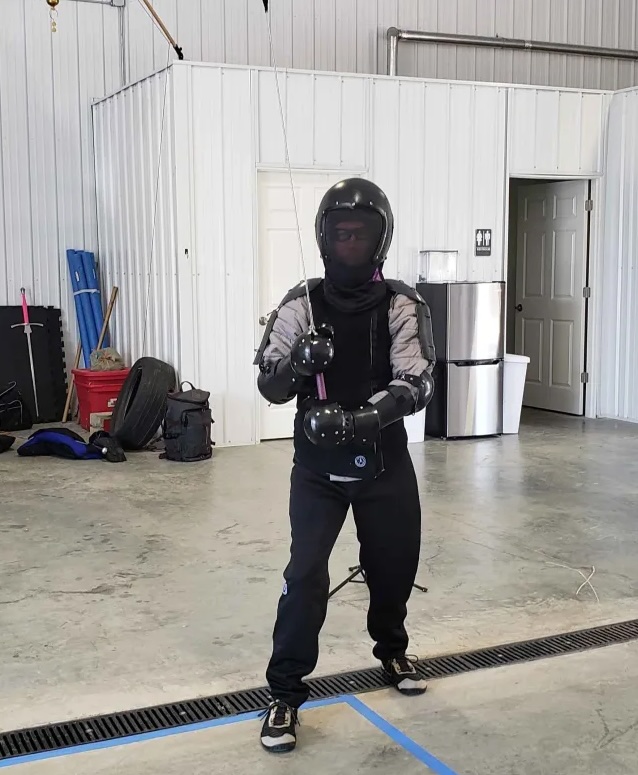
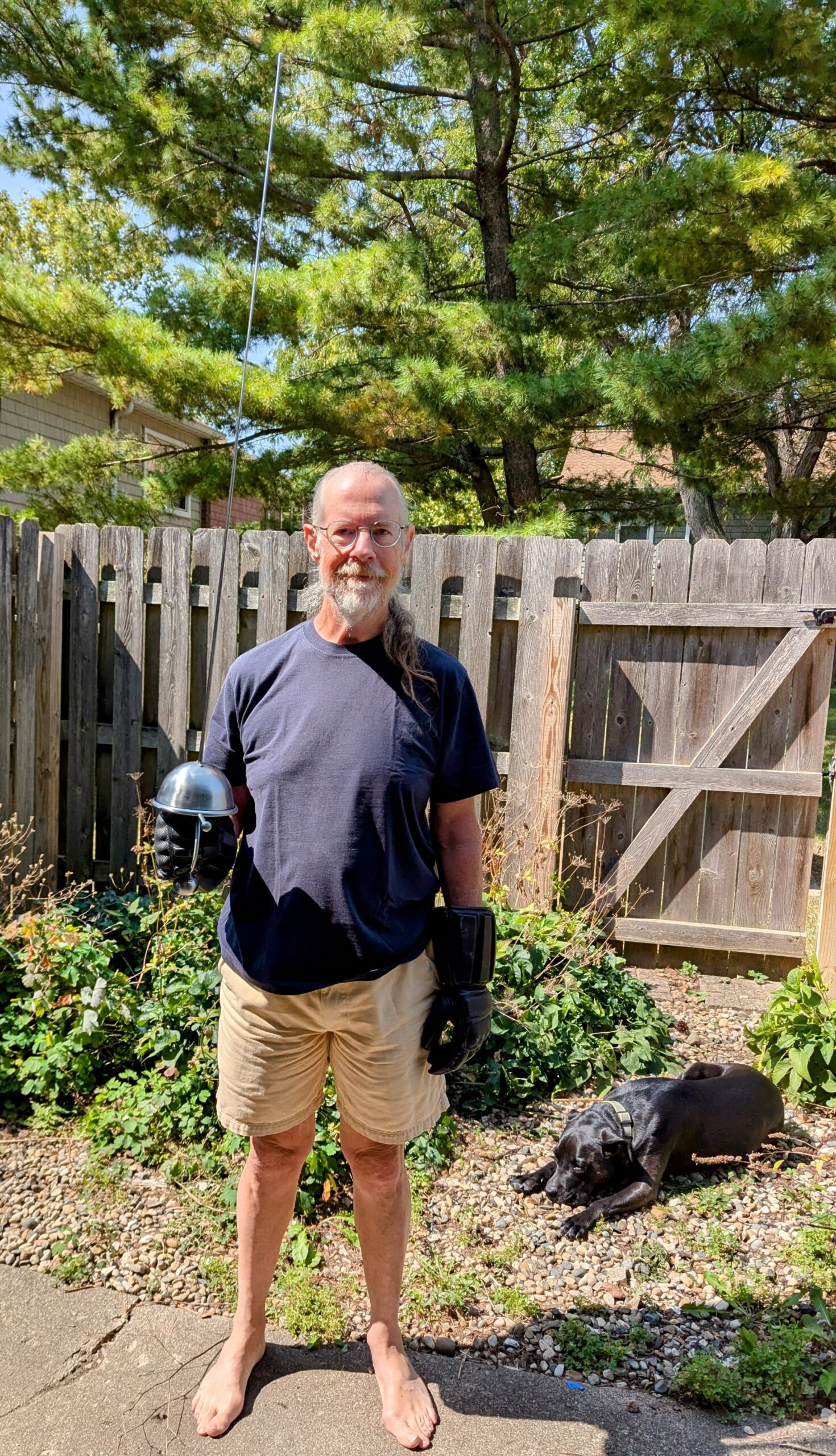
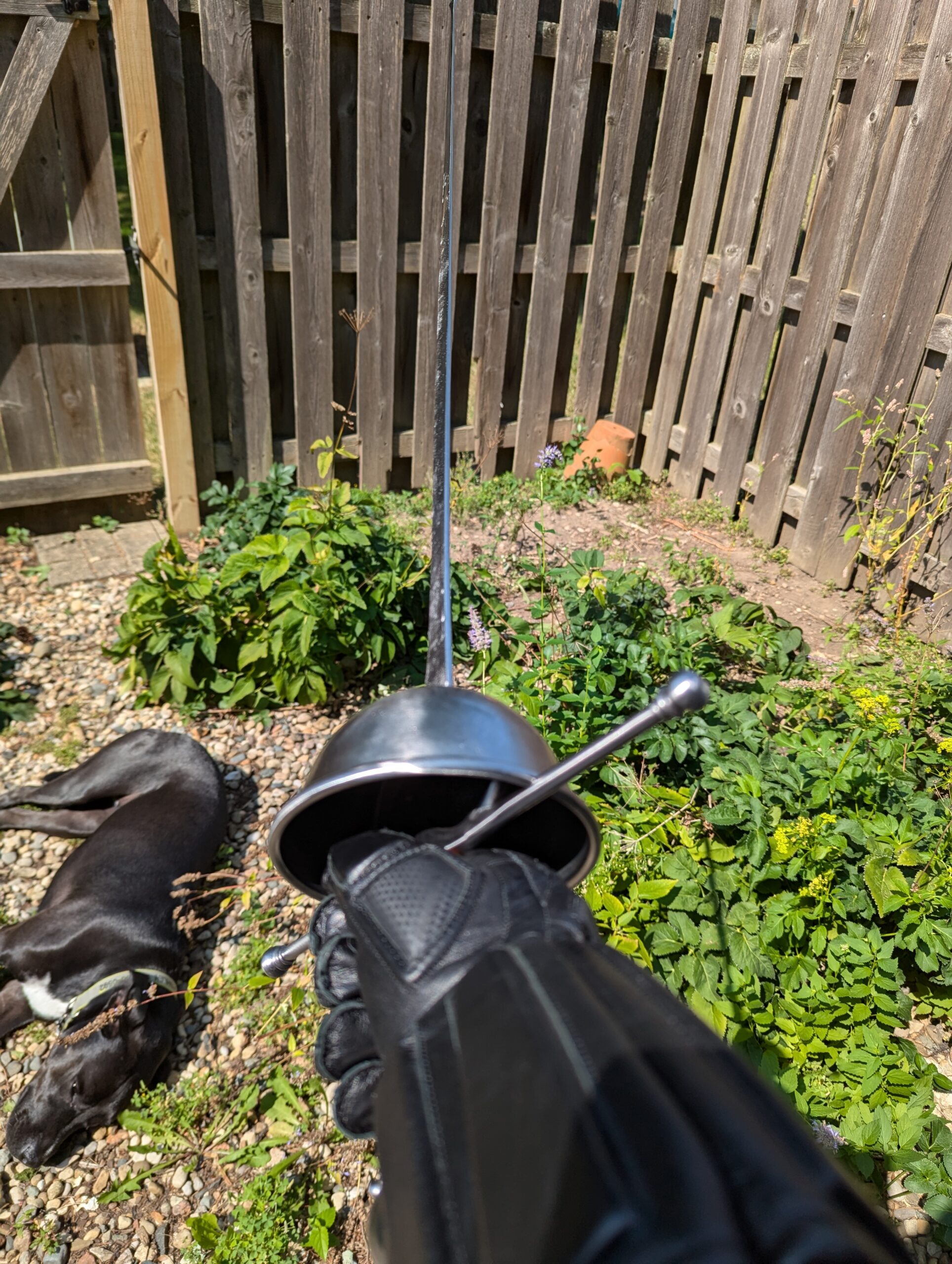
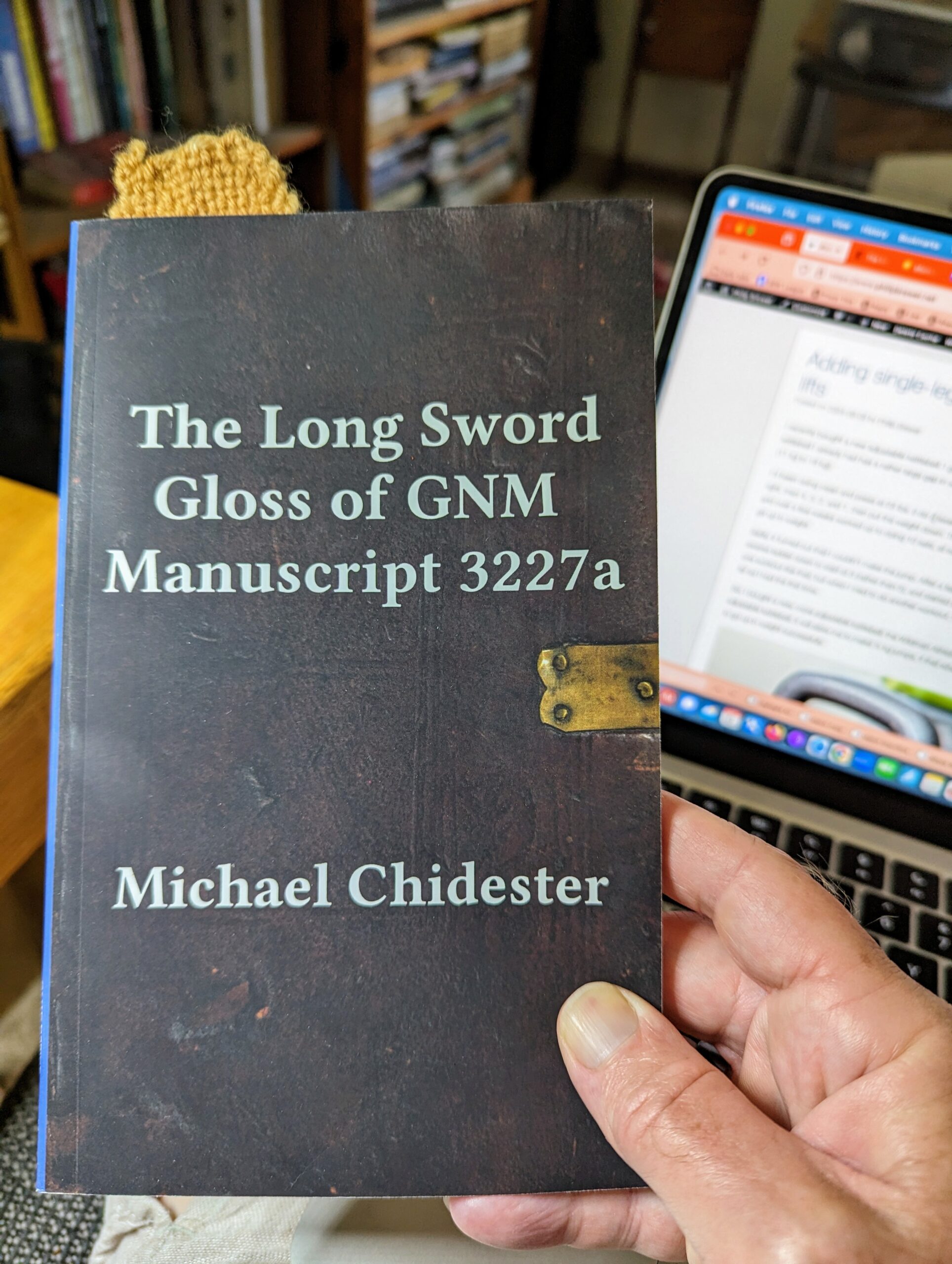
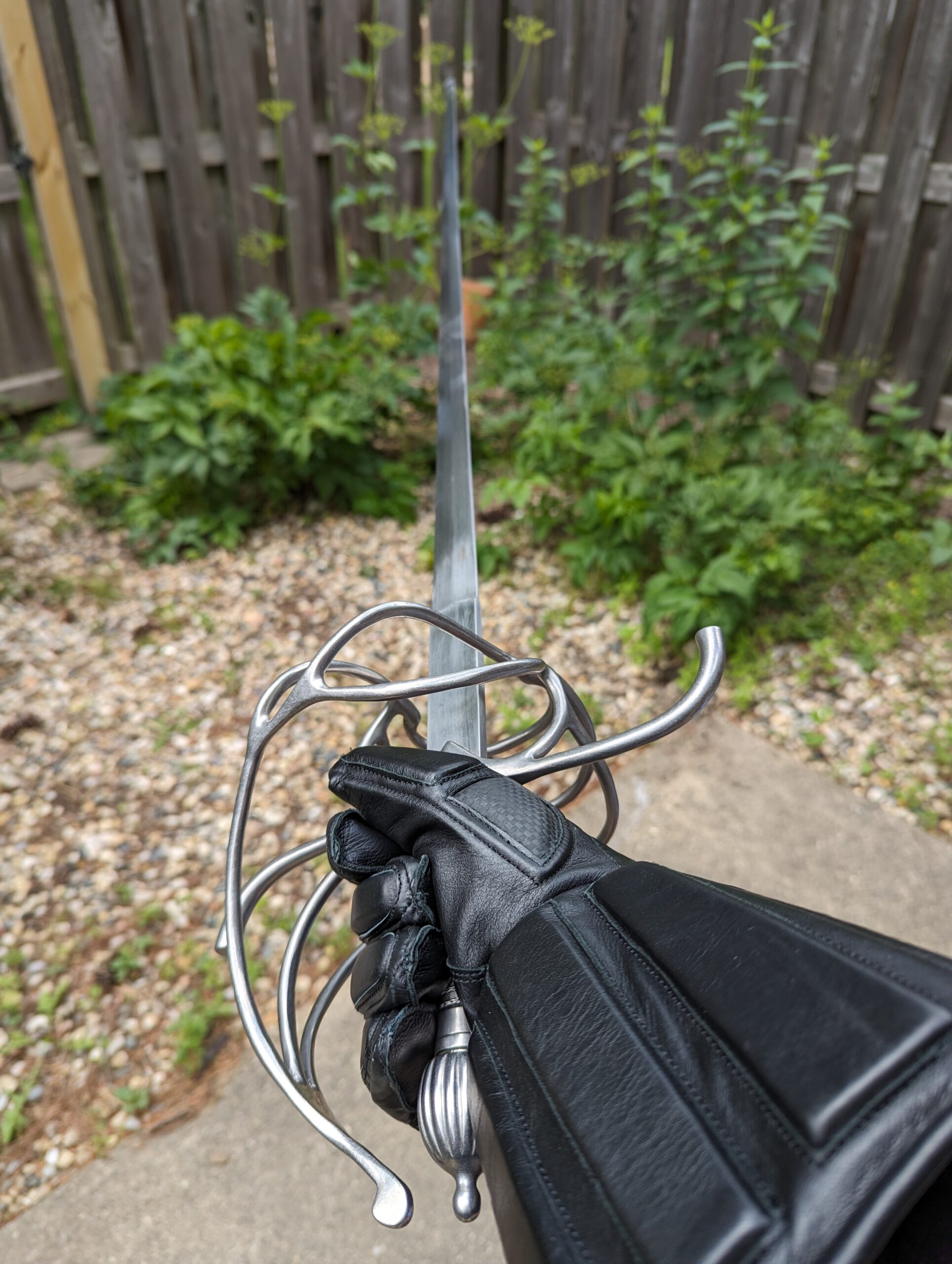
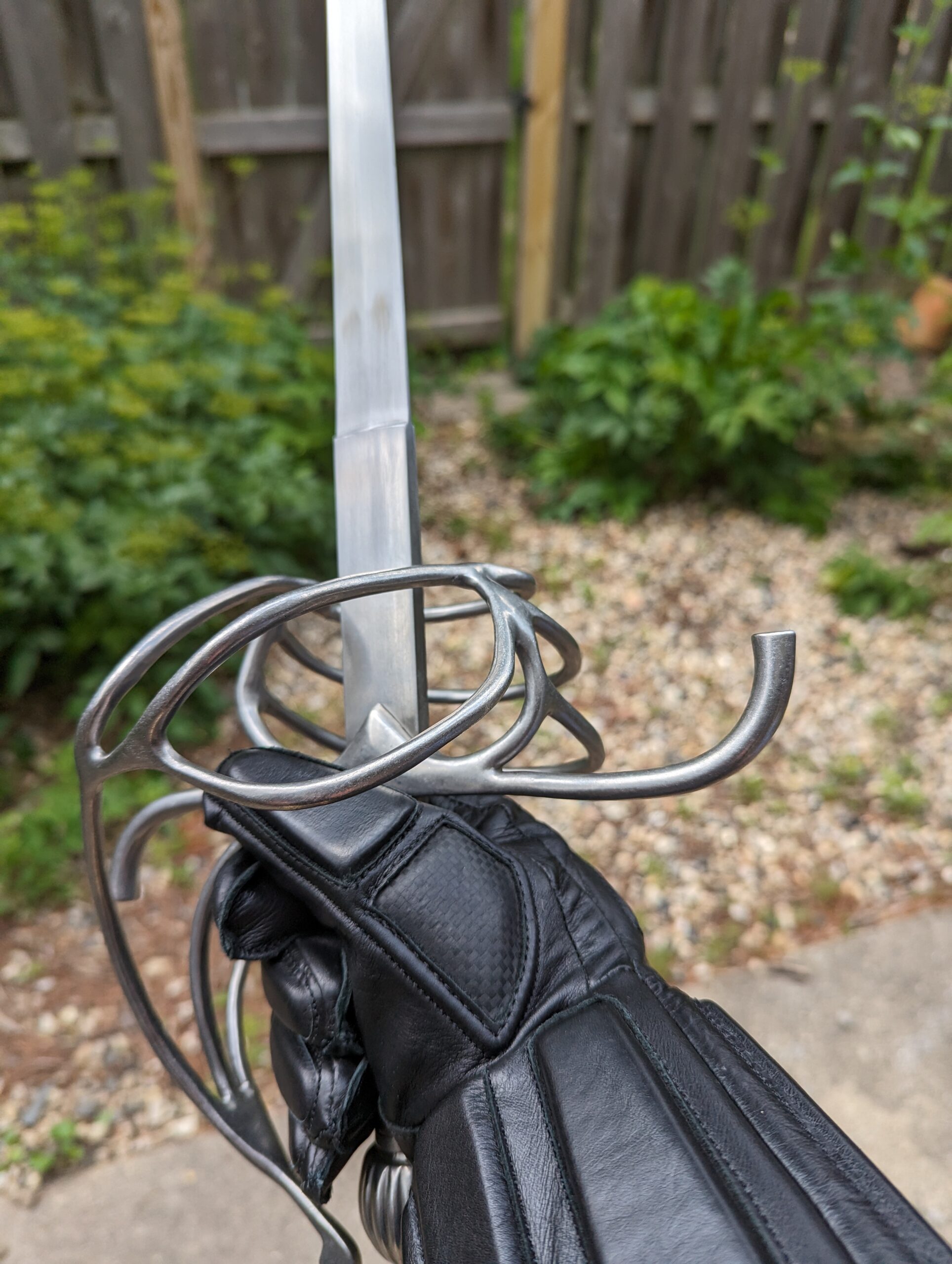
The biggest way that movement has snuck back into my practice is HEMA (aka sword fighting). There is some exercise involved in training for sword fighting, and it is certainly not a complete healthy movement practice all on its own, but it is moving, for a purpose, with a community—things I had been lacking for years.
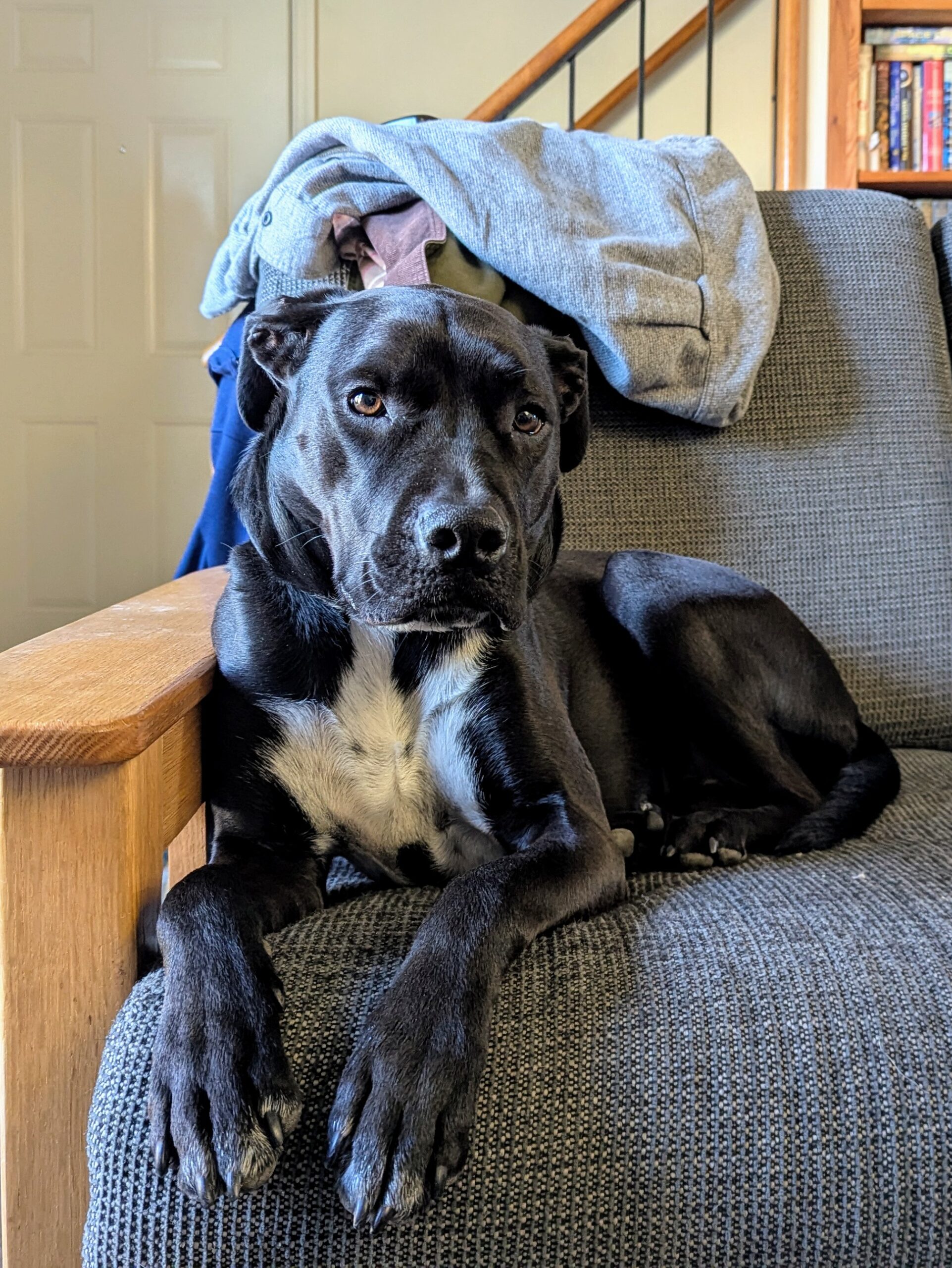
The next biggest has been walking. In particular, dog walking. It’s not that walking has snuck back into my practice. I have always been a walker, and all that getting a dog changed was that now I walk every single day, instead of merely almost every day. (Even during bad weather, I average at least 12,000 steps per day. When the weather is nice, I top 15,000.) What having a dog changes is that now the walking is not exercise. It’s movement, because I’m doing it for a purpose that has nothing to do with “getting some exercise,” and rather is about making sure my dog is getting what she needs.
I still do some exercise. In particular, I’ve paid up for four workout programs by Mark Wildman: His two club programs two-handed and one-handed, his slamball program, and his “actual action hero” ab program. I skipped getting a kettlebell program (I’ve been doing kettlebells long enough that I feel like I know how to integrate them into a fitness routine, plus my sore elbow seems to be aggravated more by kettlebell moves than by club or slamball moves.)
I’m really pleased with the two-handed club program, which adds to the basic swinging moves a set of lunge moves, a set of squat moves, and a set of ab moves (that work toward a get-up).
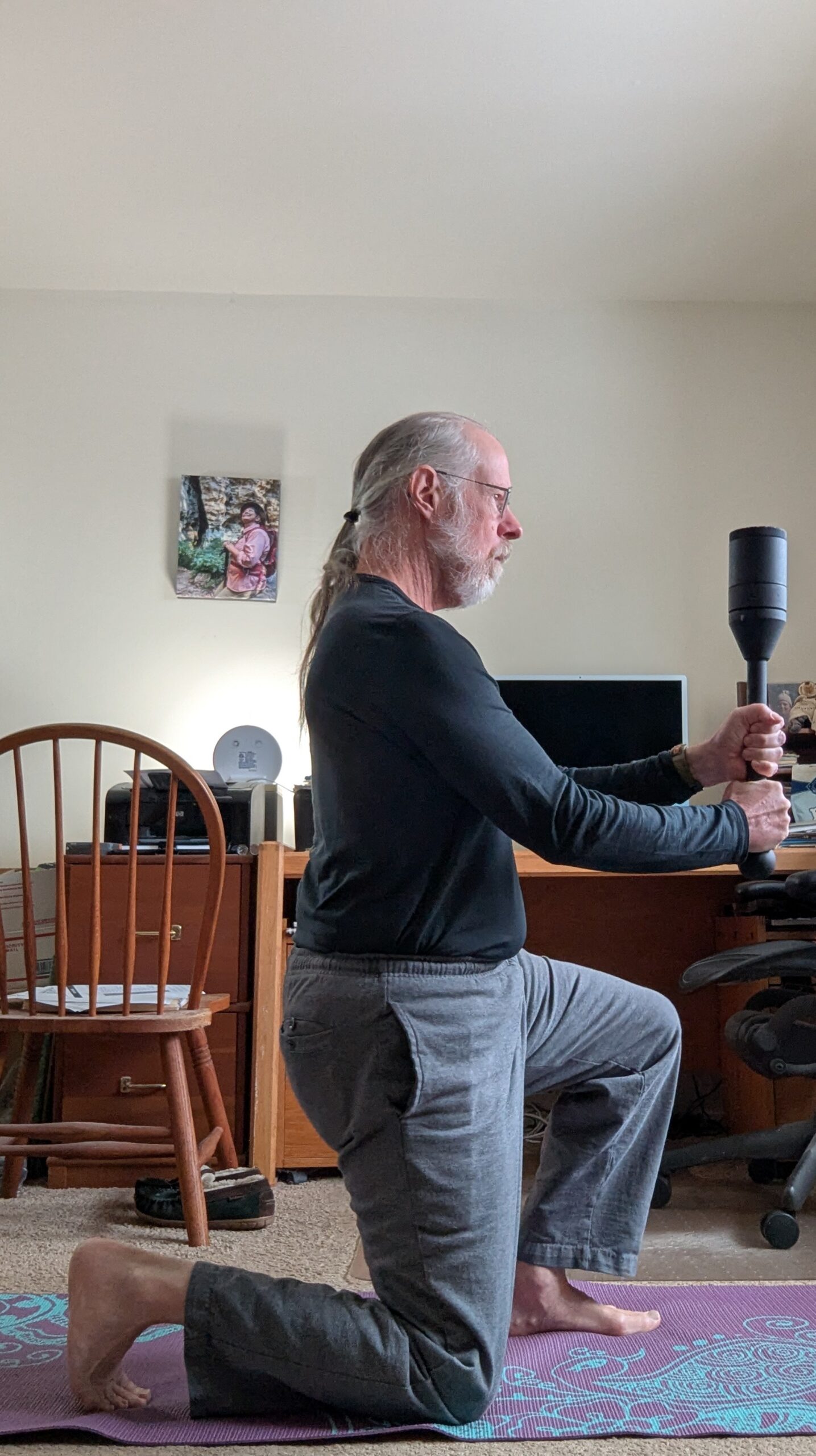
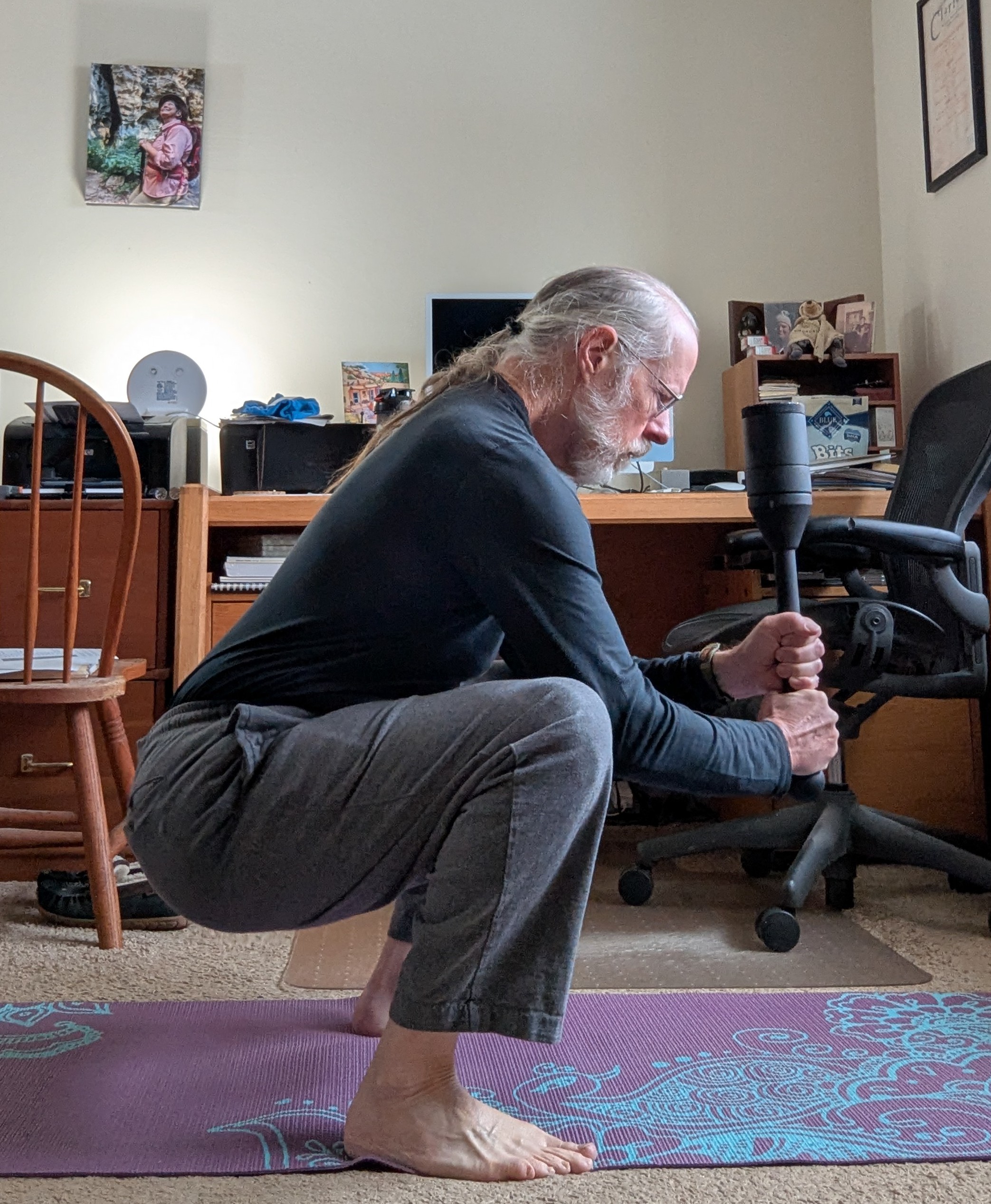
The one-handed club program is also good, but much more technical and specific. It’s purpose, I guess, is to improve your alignment and structure, which is cool (and which I expect will be useful for sword fighting), but it doesn’t look like it’s going to do a lot for overall fitness.
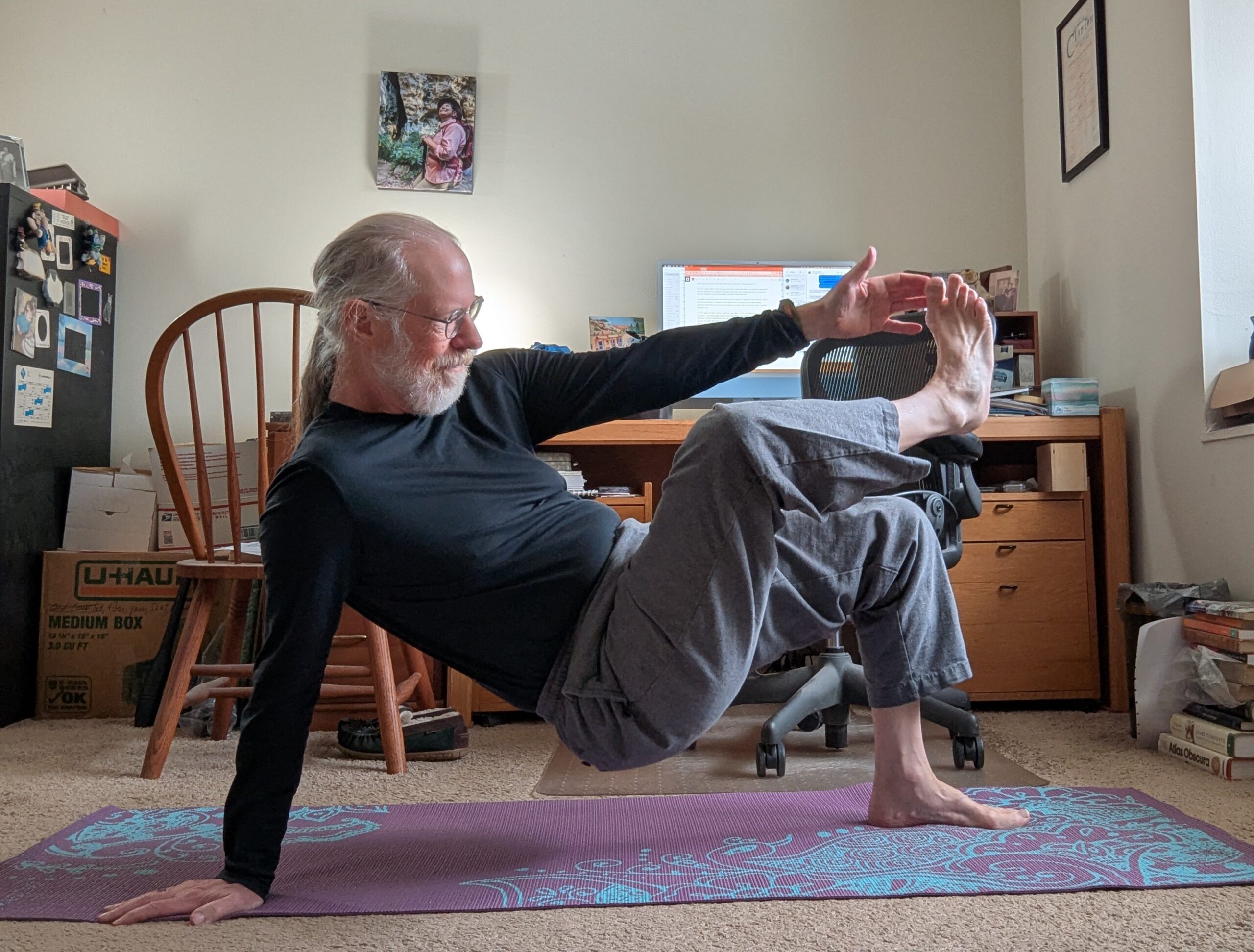
The ab program is interesting. Mark Wildman wrote it for his friends who are stunt people, who needed a program that could be done in a very small space (basically a yoga mat on the floor of a trailer, which is what stunt people live in on-set), that focused not on making your abs look good (although it definitely will) but rather on building the muscle, strength, and control to do the sorts of moves that stunt people need to do. It’s designed to be done in just a few minutes every day at the end of your usual workout. It has 50 moves, and it gives you a different combination of them every day for up to a year (assuming you can work up to doing continuous ab work for 14 minutes a day, five days a week.
So, I do continue to exercise, because it seems useful, and it suits me, but I’m going to resume trying to prioritize movement going forward.