
Too bad the Fed doesn’t have any epidemiologists. Or virologists working on vaccines.
My brother adds, “They probably don’t even have any mixologists.”
Of course, it is cocktail hour…

Too bad the Fed doesn’t have any epidemiologists. Or virologists working on vaccines.
My brother adds, “They probably don’t even have any mixologists.”
Of course, it is cocktail hour…
Vicki Robin of Your Money or Your Life is right about responding to Covid-19 if you’re financially independent:
I wake up every morning asking, “What can I do for others to ease their material or psychological pain as Covid-19 upends our lives?” and “How can I use my leadership in communities of influence to increase vigilance where people are slack and calm where people are freaked?” The privilege of financial independence is the ability to serve.
Source: FI, FIRE and Covid-19; are we better set for this virus?
Currently reading: How to do Nothing: Resisting the attention economy by Jenny Odell, ISBN: 9781612197494
I observed a year ago that post-crisis bank regulation amounted to the Fed admitting that it was a failure, with banks treating reserves like pre-1913 banks treated gold. So I’m pleased to see that at least some Fed officials understand that this is a problem.
it is worth remembering that a principal reason for the Federal Reserve’s creation was to facilitate the movement of reserves when needed from banks with an excess reserve position to those in need of reserves
Source: Federal Reserve Board – The Economic Outlook, Monetary Policy, and the Demand for Reserves
Back in 2009 I wrote an article for Wise Bread on the Economic effects of pandemic flu in a recession, which may be coronavirus-relevant.
“Just fear of a pandemic can produce substantial costs to the economy, if people stay home rather than work and shop.”
Photo by Eneas De Troya
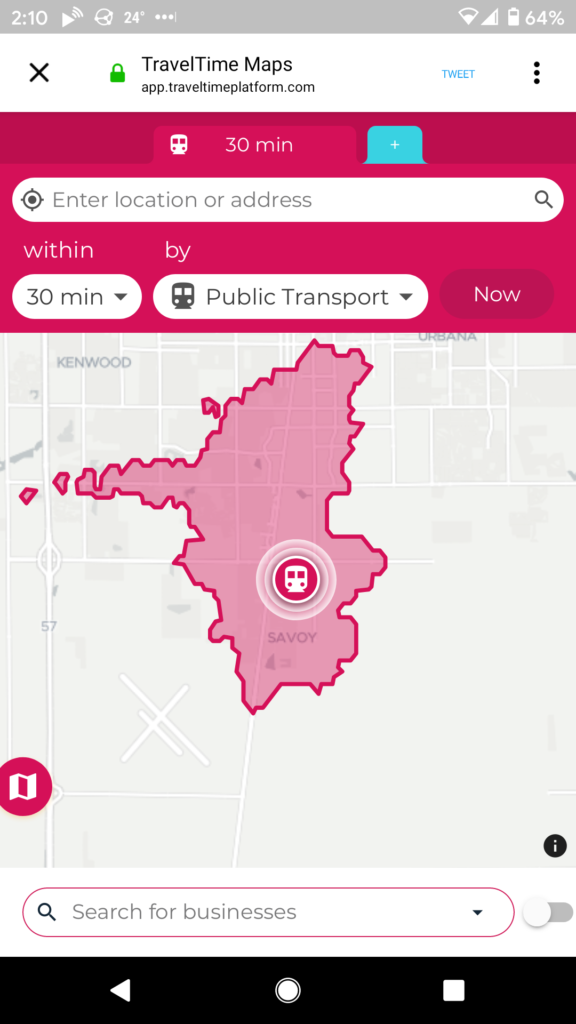
A wonderfully useful tool. How walkable/busable is your address? https://app.traveltimeplatform.com/
 Do municipal taxes bring in enough money to maintain our urban and suburban infrastructure? In the densest urban areas, probably yes. Otherwise, generally no.
It might shock most people to learn that in many American cities, the poorest neighborhoods subsidize the wealthiest.
Source: This ‘Ponzi scheme’ surrounding development leaves most cities and towns functionally insolvent
Struck by Brett Scott’s great line in “The war on cash“:
It’s not a “cashless society” – but a “bankful society,”
I went to follow @Suitpossum, only to find I already do.
The one good thing about this is that it presents a space where alternatives to Google can compete.
The most discouraging aspect is how Google now doesn’t even bother to return results about vast swaths of the internet. —Bit Rot and Search Engines | Bierfaristo Blog
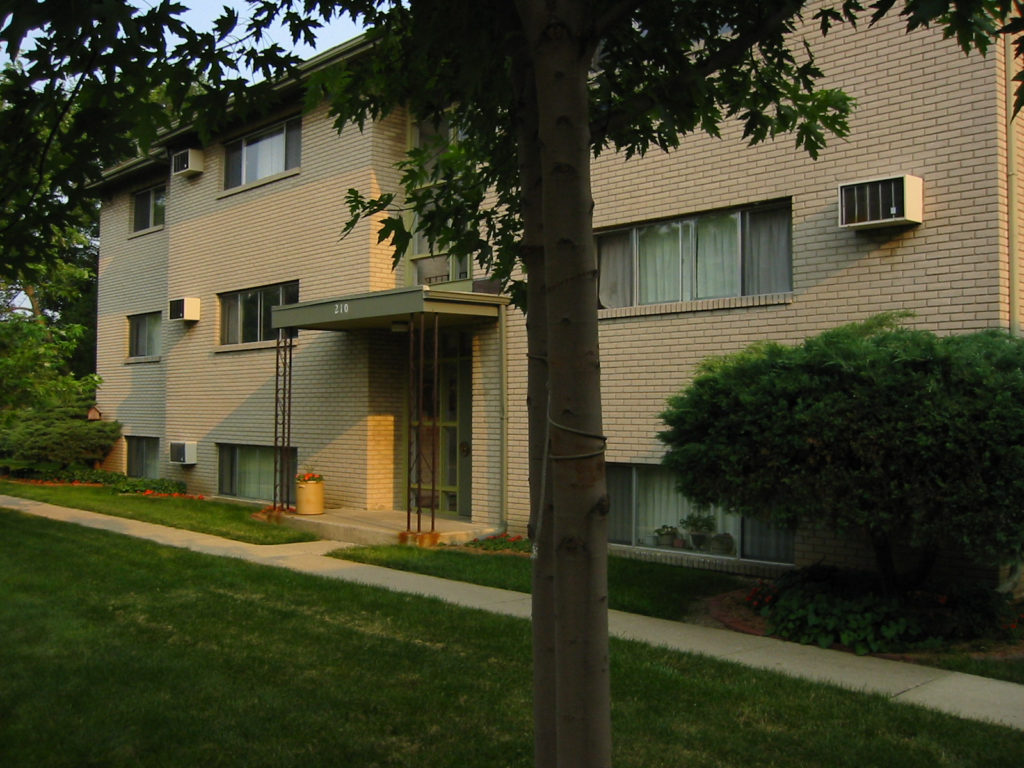 Breaking news in the latest issue of the real estate trade journal Duh! “Apartment landlords call for lower tax assessments!”
I found this whole article especially hilarious because Jackie and I lived very happily in Country Fair Apartments for more than 20 years before these clowns bought it, renamed it Grammercy, and managed to ruin it in less than a year:
Grammercy said its annual net operating income has dropped from more than $1 million in 2014 to a loss of more than $300,00 in 2018. It said its vacancy rate was 41 percent in 2018.
Source: Apartment landlords call for lower tax assessments amid higher vacancy rates
In what is not at all a coincidence, 2014 is the year we moved out—the last year that the old leases were in effect. I wrote a whole post about the preposterous non-lease that they wanted us to sign: Why we moved.
For those incompetents to be losing hundreds of thousands of dollars a year is richly deserved, although I am sorry if it ends up hitting Champaign and Urbana’s tax base.