
Walking the dog before sunrise and after sunset every day has gotten me more in touch with the phases of the moon (visible behind the branch above her) than I’ve been in years.
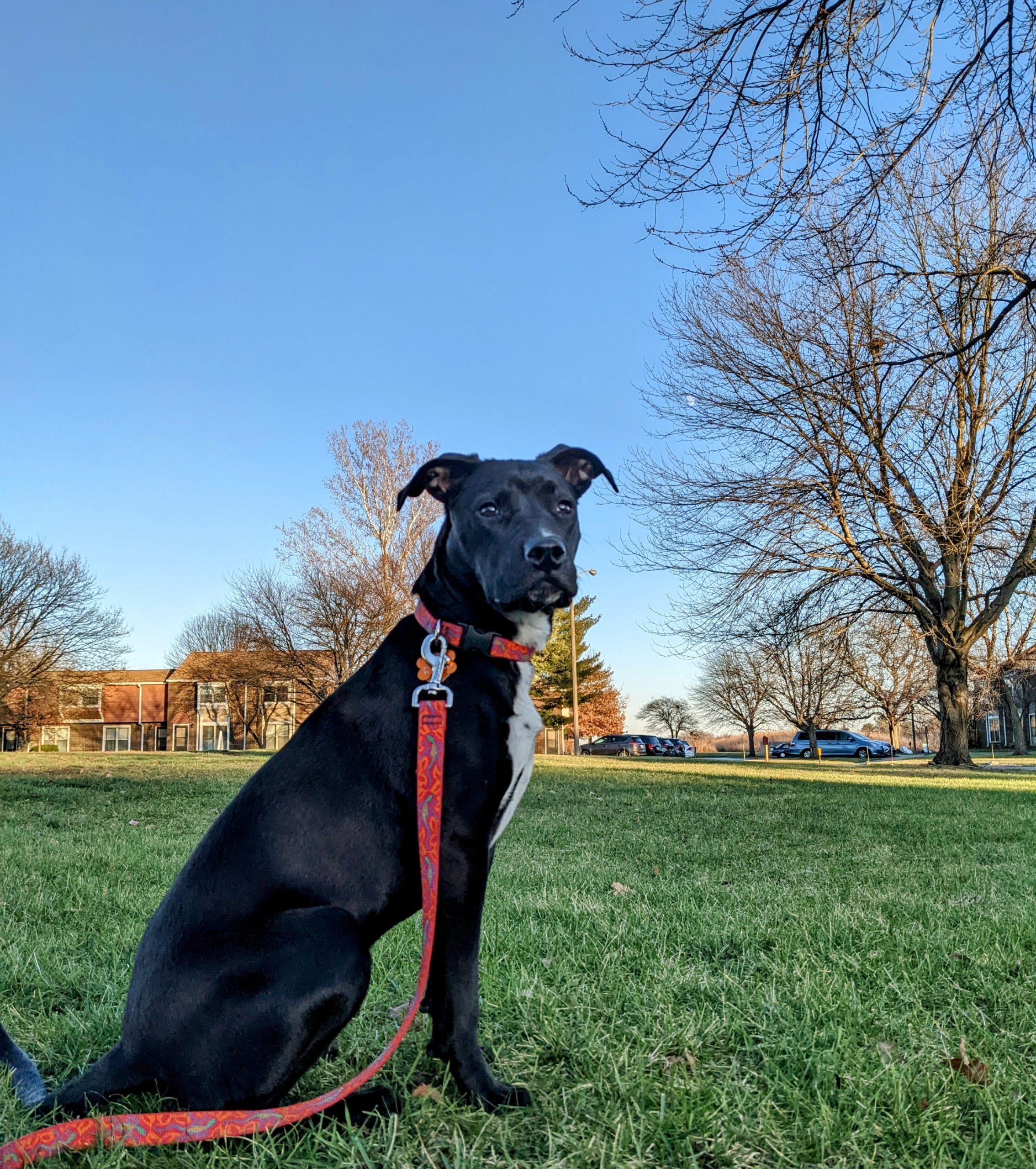
Walking the dog before sunrise and after sunset every day has gotten me more in touch with the phases of the moon (visible behind the branch above her) than I’ve been in years.
The sky is enlightening.
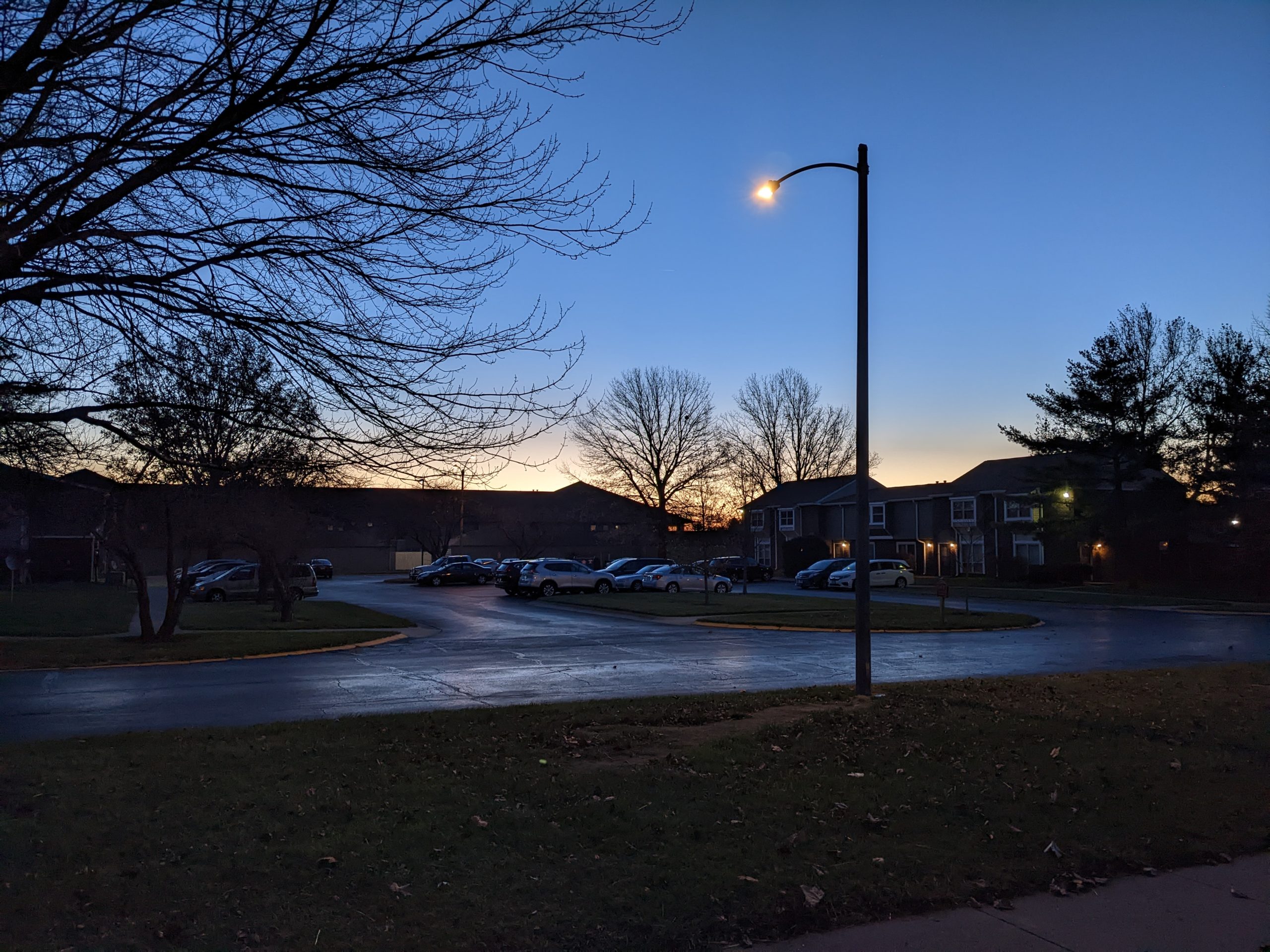
Since we got Ashley, I have been sleeping better. Remarkably better. It’s kind of amazing.
My Oura ring gives me some data to go on.
The place where it’s very obvious is in deep sleep time. In the month or so before I got the dog, I averaged 57 minutes of deep sleep per night. In the month or so since I got the dog, I’ve averaged 1 hour 23 minutes. Other improvements are significant, but not so impressive in terms of numbers. Total sleep has gone from 7 hours 34 minutes to 7 hours 41 minutes, which is enough to make a difference. Sleep efficiency (the percentage of the time in bed that I’m actually asleep) has gone from 87% to 89%, which doesn’t look so impressive, but also seems to make a difference. I’m also getting up much less often in the night.
Of course, this leaves me with the question of why.
I think partially, it’s just that she sets a great example: She comes to bed when we do, lies down between our feet, goes to sleep, and stays asleep—better than I do, anyway.
The other big change, of course, is that I’m walking way, way more than before.
Again the Oura ring provides some data, with “walking” that has gone from 7.3 miles to 11.2 miles per day. That’s misleading though, because the Oura ring reports a “walking equivalent” number. (Based on, I assume, my heart rate during other activity, such as weight lifting.) The FitBit software on my Pixel Watch gives me actual distance data, and the last half of October I was averaging 5 miles per day, while last week I averaged 7 miles.
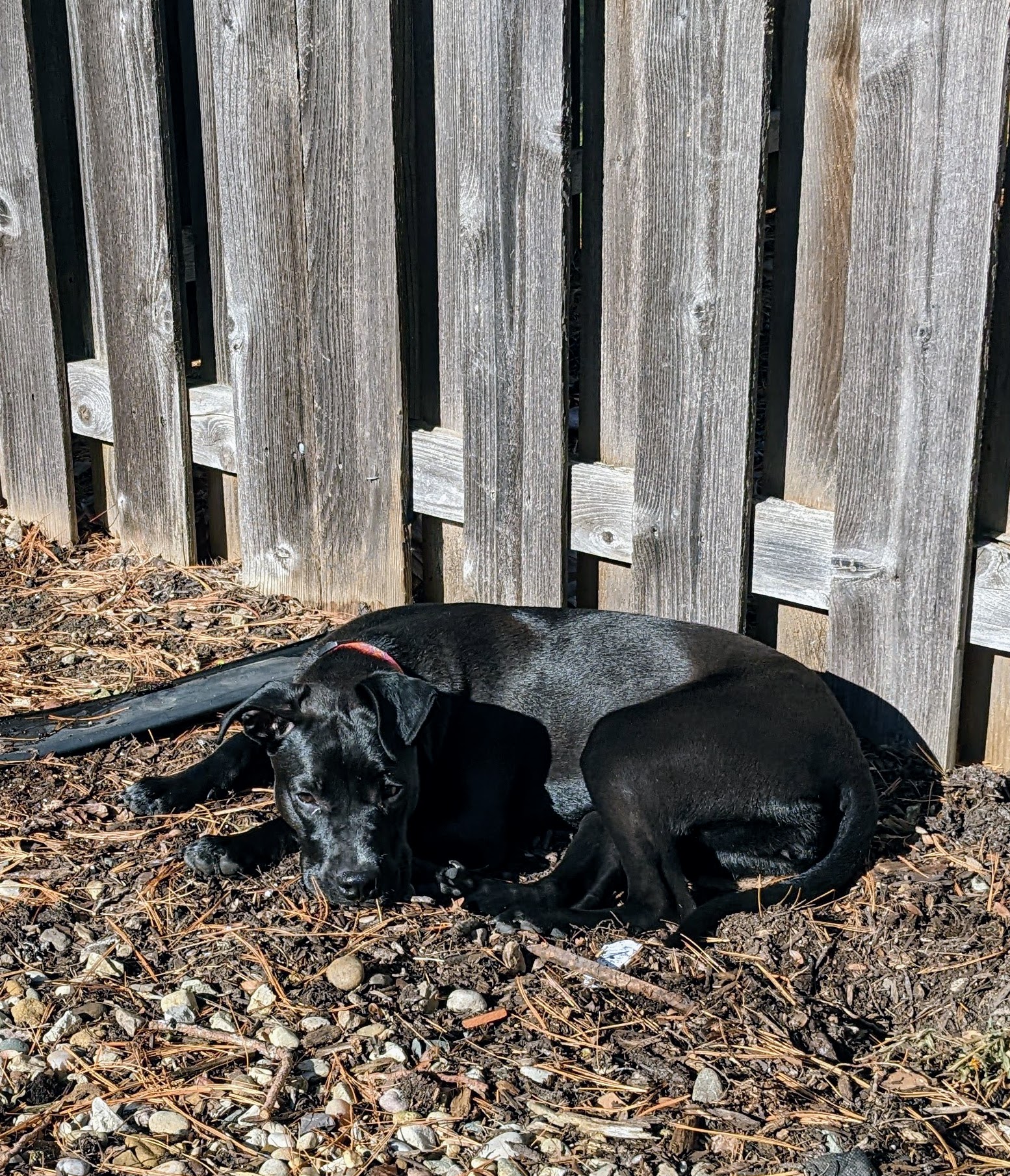
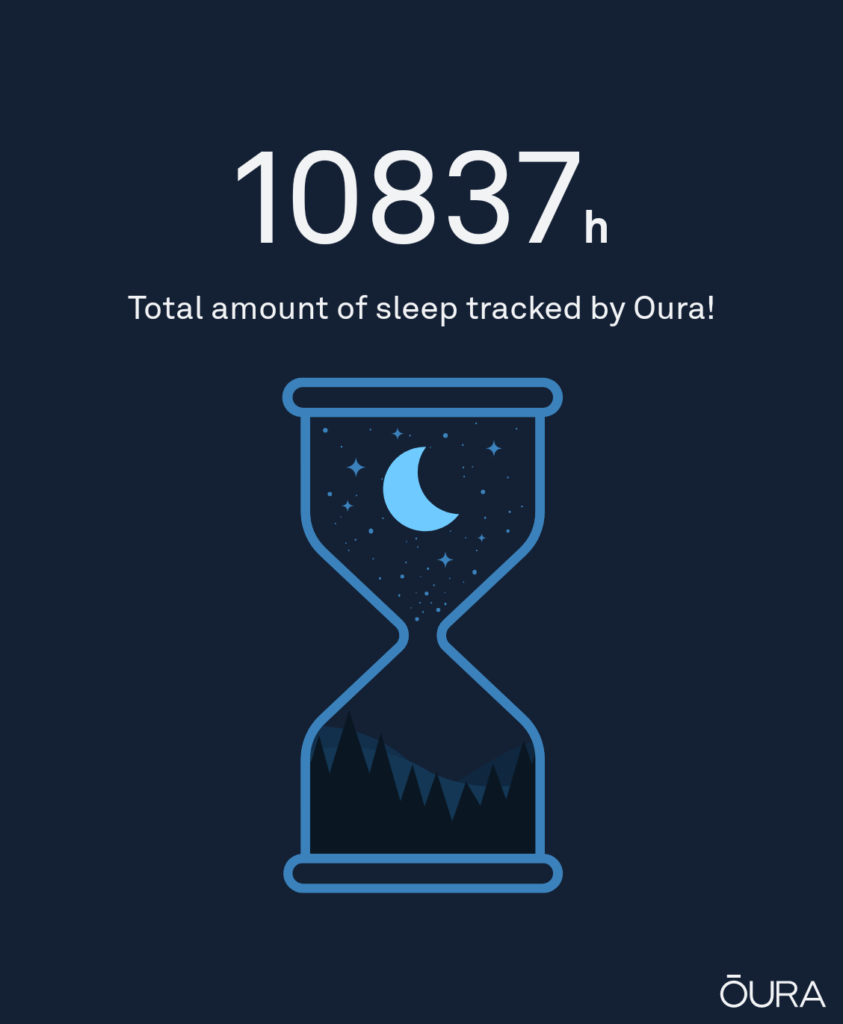
After not making a big deal out of my having an Oura ring for 1, 2, or 3 years, Oura has presented me with a fancy graphic to celebrate my having tracked my sleep for 4 years.
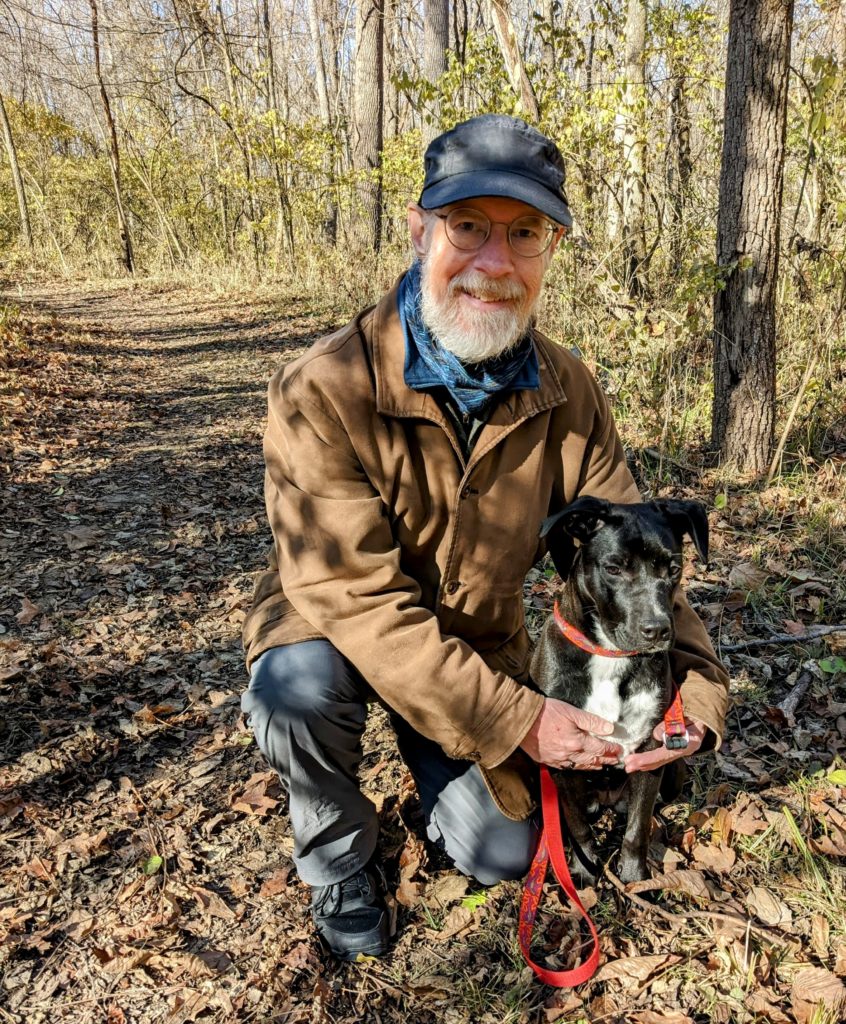
Just me and my dog, out on the trail at Homer Lake.
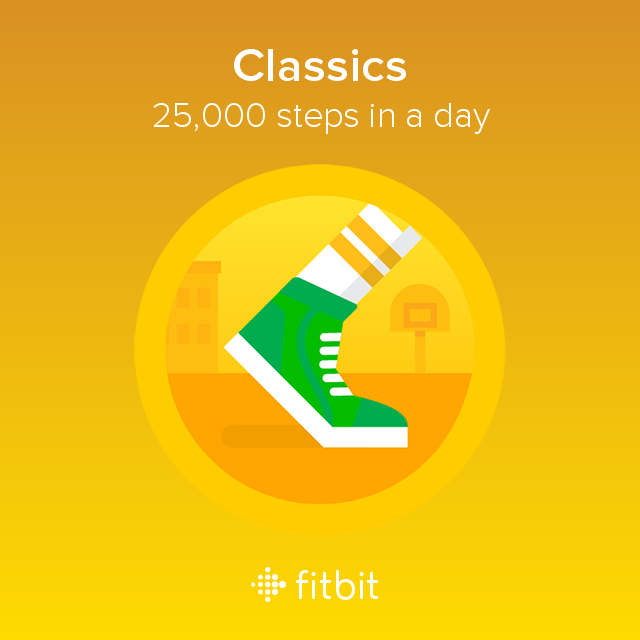
As I’ve written before, I have very mixed feelings about the gamification of exercise. Still, the extremes that FitBit goes to are, well, extreme. Such as yesterday, when I took a couple of very long walks with the dog:
If you want to follow what I write here, but don’t want your own mastodon account, just point your RSS-feed reader at the mastodon-generated RSS feed that my mastodon instance provides.
Two of my favorite WebComics, False Knees and SORROWBACON are presenting broken RSS feeds from Tumblr. I don’t know what’s up. When I tried to look it said I needed to be logged in to Tumblr.
What’s up with that? @FalseKnees @Millie_Ho
Our first look at the lease from new owner of Country Fair Apartments made it clear that they would ruin the place—a place we’d lived happily for 20 years—so we moved out. Even so, I’m a little surprised to see this just 8 years later:
Because the heat is not working, 9 out of 42 buildings are considered unlivable…. If the property owners don’t fix the issues in a timely manner, tearing down the buildings may be the next step.
https://foxillinois.com/news/local/tenants-living-without-heat-at-apartment-complex-court-steps-in
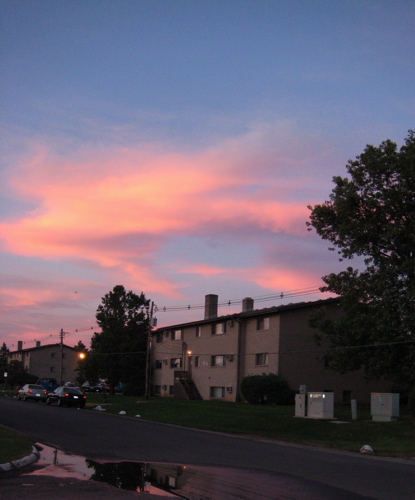
In happier times.
Water Dragon Publishing has announced the upcoming publication of a new story by me!
We are excited to announce that we have signed an agreement with author Philip Brewer to publish his story, “A Classic Beginner’s Mistake”, as part of our Dragon Gems short fiction program.
https://waterdragonpublishing.com/2022/11/water-dragon-publishing-welcomes-author-philip-brewer/