
Economists pretty much understand both inflation and recession. Because the policy tools to fight them—raising or lowering interest rates—are the opposite of each other, people sometimes think they are the opposite of each other. But this is not true, which is why “stagflation” is even a thing.
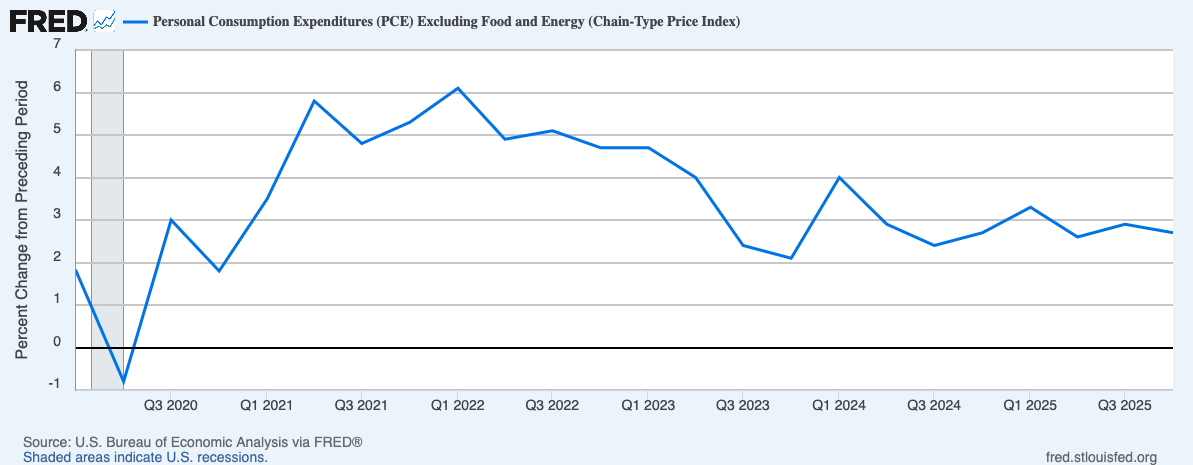
Inflation is caused by the money supply growing faster than the supply of goods and services. Back in the 1970s and 1980s there was a real push to manage the money supply as a way to keep inflation low and stable, but it didn’t work very well. (For a lot of reasons. In particular, the lags between money supply growth and the flow to spending are long and variable. Also, people have choices in where they spend their money, so sometimes the money flows to goods, other times services, and other times assets like stocks, bonds, real estate, etc.) Since the mid-1980s, the Fed hasn’t really considered controlling money supply as a key policy tool.
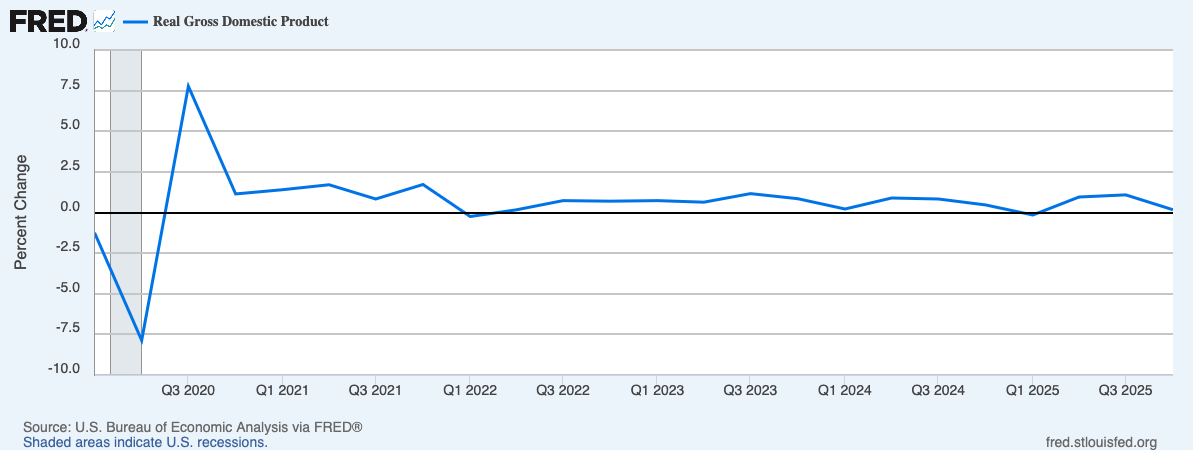
Recessions, on the other hand, are caused by consumers or businesses choosing to spend less money. The Fed tries to fight this by lowering interest rates. This can work—lower interest rates make it cheap to borrow money to spend. But people can still choose to spend less, even when they could borrow that money really cheaply. This happened very obviously in 2007 and 2008.
When people (or businesses) choose to spend less, the economy slows down. It’s a self-reinforcing cycle. People spend less, so business income declines. Businesses sell less, so they buy less raw materials; they buy less products to sell; they cut employees. Employees lose their jobs, their income shrinks, so they spend less. Commodity sellers can’t sell what they produce, so they stop producing. Businesses can’t sell what they buy, so they quit buying. All those choices flow through the economy, reducing everyone’s income, reducing everyone’s spending even more.
We haven’t seen much of this yet, but we’re about to.
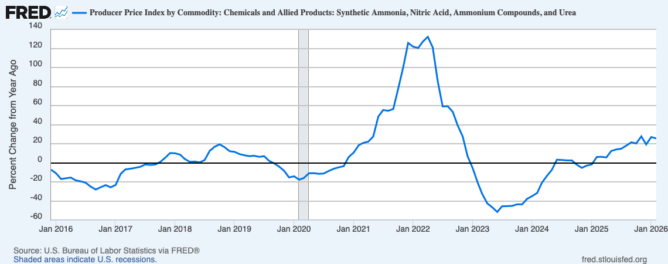
I mention all this now because I just saw this article in the New York Times: We Crunched the Data: There’s a Grocery Price Emergency in America. The writers came up with a model for a fairly affluent middle-class family in the United States, and found that rising prices were crushing it:
According to our calculations, the math has stopped adding up for this family over the past 18 months. They had a small cushion in 2024. Now they are in the red after covering just the basics
People’s reactions to prices that outstrip their income vary. Up to now people have adapted by simply doing what they have to do. They start by making the easiest cuts they can manage, but that doesn’t go very far. You can only make the adjustment from beef to chicken to beans one time. You can quit buying new clothes and make do with what’s in your closet for a year or two, but eventually your old clothes start to wear out. People can quit saving and investing, and they can start borrowing to cover their expenses, but that can’t go on. Eventually, people have to start making structural changes to their household costs, of the sort I talked about all the time when I was writing for Wise Bread: They can become a one-car family. They can move from a house, to an apartment, to a smaller apartment. They can raise the deductibles on their insurance policies.
These sorts of changes have long lead-times. Selling your second (or third) car might take months, and it might not save you much money in the first year or two after you do it. Moving to a cheaper place to live similarly takes months and costs money. Even switching to a cheaper phone plan takes a while. But 18 months is enough time for people to start making these changes. And once they’ve done so, that new lower-spending structure is largely locked in for at least months, probably for years. Even as prices start to come down (and they will, although not to what they were in 2020), people who have made those structural changes to their household cost structure aren’t going to undo them anytime soon.
The result is going to be a recession, very possibly a severe recession, and one that goes on for a very long time. It’s not obvious yet, because businesses are still spending huge amounts of money on things like AI infrastructure, but a lot of that spending is illusory, so it will vanish all at once, rather than gradually.
This wasn’t inevitable. The Fed deserves some of the blame. The Trump administration deserves much more—tariffs and war are what most dramatically hit the cost structures of the typical business and the typical household.
At this point, there’s no good solution for the economy as a whole, because the smart moves by individuals (dramatically changing the cost structure of the business or the household to enable lower spending) all act to deepen the recession. But that is no reason to do anything else but act to bring your costs in line with your income. Going bankrupt will not help the economy.