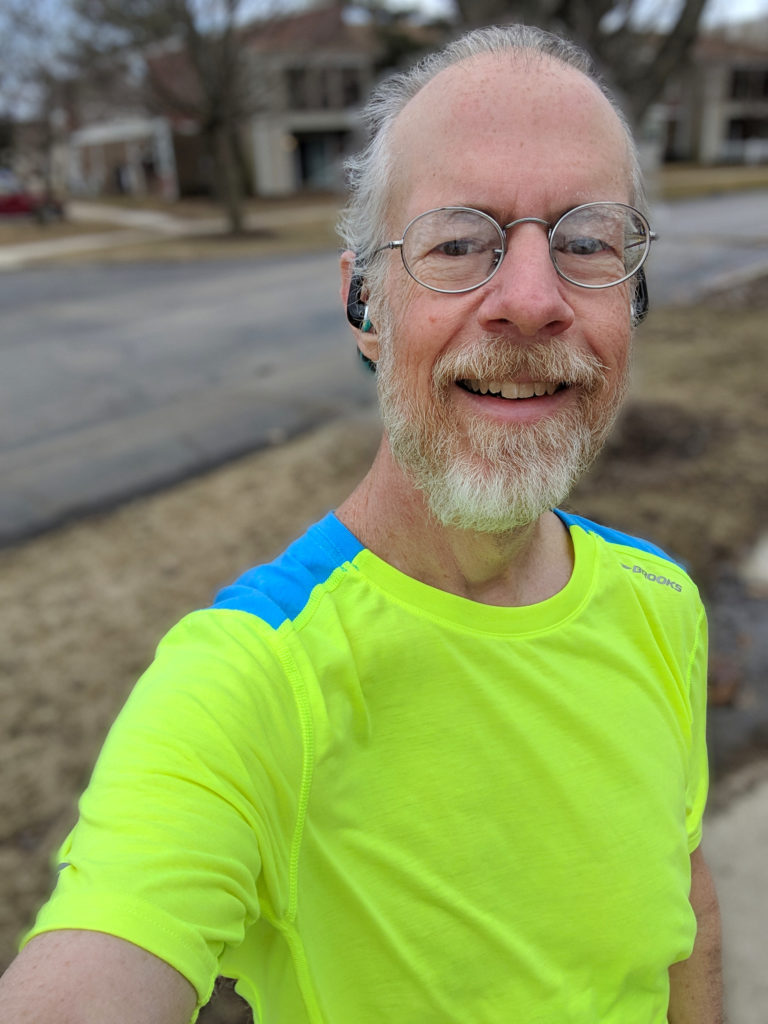
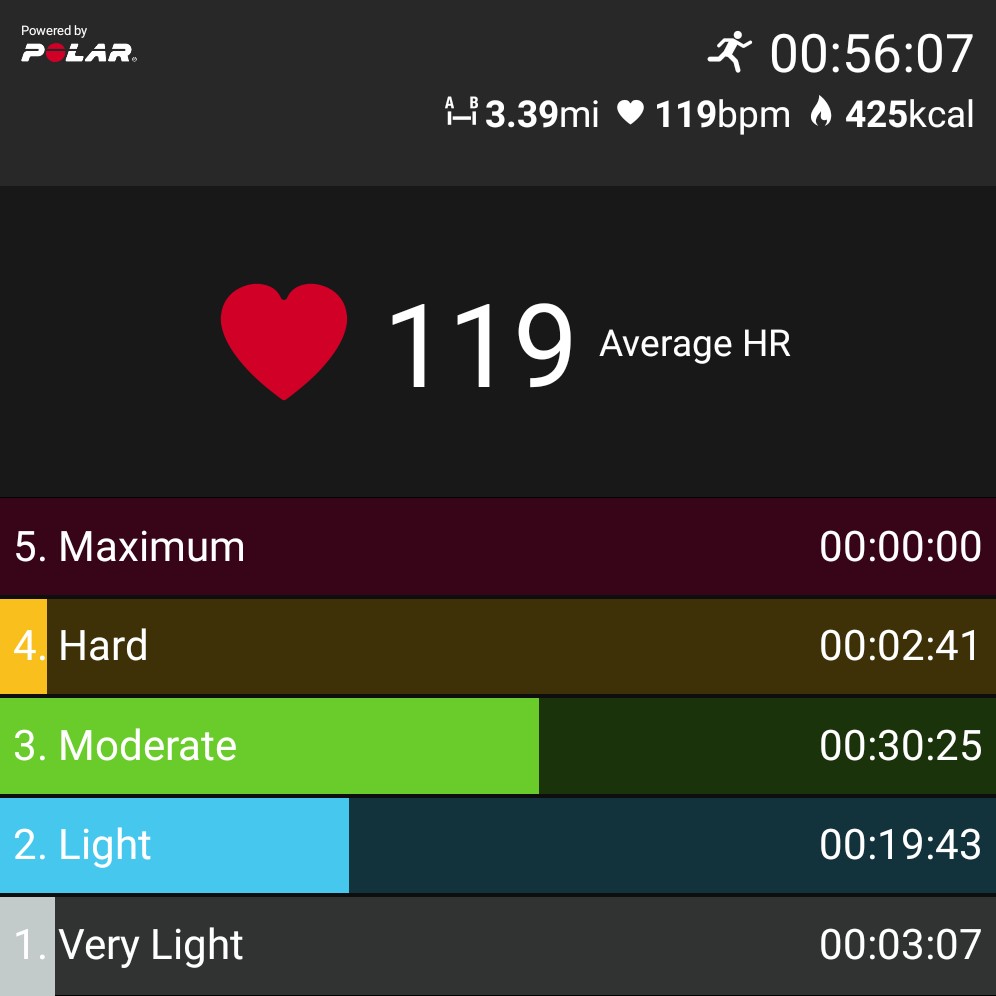
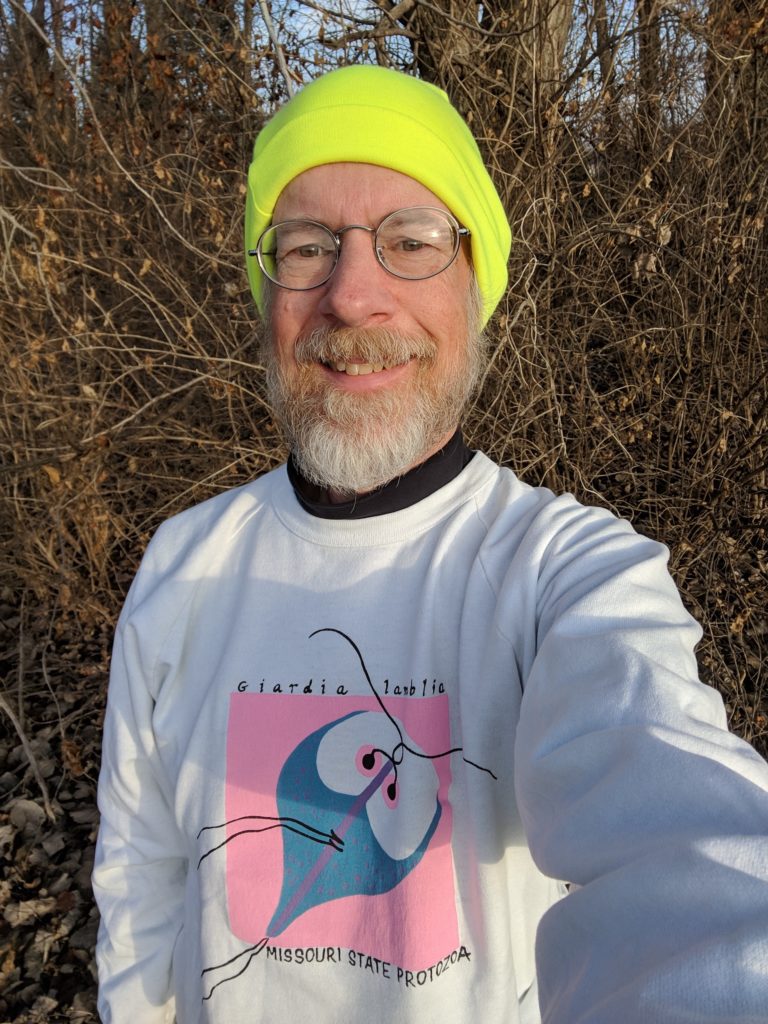
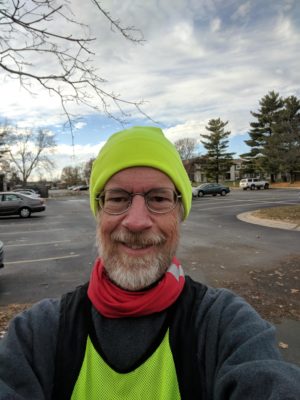
Me in winter running gear

Every year I try and fail to establish a winter running habit. This year I managed, and learned a bit about why I usually fail.

In my imagination, the key has always been to keep running through the fall. As it gradually gets chilly and then cold I’ll gradually adapt.

That never works.

The main reason it never works is that seasons don’t work like that. One gets frequent warm days in early fall, then infrequent warm days in late fall, and then at some point—identifiable only in retrospect—there’s a last warm day, which is then followed by months of winter weather.

But it’s even worse than that, perhaps especially so for people like me who don’t have a regular job. Since I have pretty complete control over my schedule, I’m able to get out for my runs whenever the weather is optimal. In the summer I can run in the morning or evening when it’s not too hot. In the fall I can gradually shift my runs toward mid-afternoon when it’s not too cold.

The upshot of that is that I’m never confronted by gradually cooler temperatures when I go out for my runs. Rather, I get to run when the conditions are perfect right up to the last day of perfect conditions. Of course, there are days when conditions are imperfect all day, but I can adapt by just shifting my run to the next day or the day after—a strategy which works fine right up until late fall, when all of a sudden conditions are imperfect every day.

This fall as usual I failed to establish a running habit. I ran into mid-September, and then quit running for two months. But somehow I managed to get started again in mid-November, and proceeded to get in 24 runs from then until April Fools Day. Why this year and not other years? The answer comes out of looking at the reasons why I don’t run in the winter: Cold, dark, and ice.

For ice I have to chalk this success up largely to luck. We had an ordinary amount of snow this year, but the size of each snowstorm and the timing of warm and sunny bits after snowstorms meant that it was rarely more than a week or so before the sidewalks were clear enough that I could get out for a run. (In my running log I only spot five weeks with no running, and only one spot where two of those weeks are consecutive.)

For dark the credit goes back to my not having a regular job. There’s no boss expecting me to spend my daylight hours sitting at a desk. I can run whenever I want.

So it comes down largely to cold.

I have always been of the opinion that dealing with cold is just a matter of having the right gear, and I had some of it—a pair of very warm tights, a half-zip capilene top, some sweat pants, some mock-Ts, some sweatshirts, a silk baselayer, and a bright-red buff with reflecty bits.

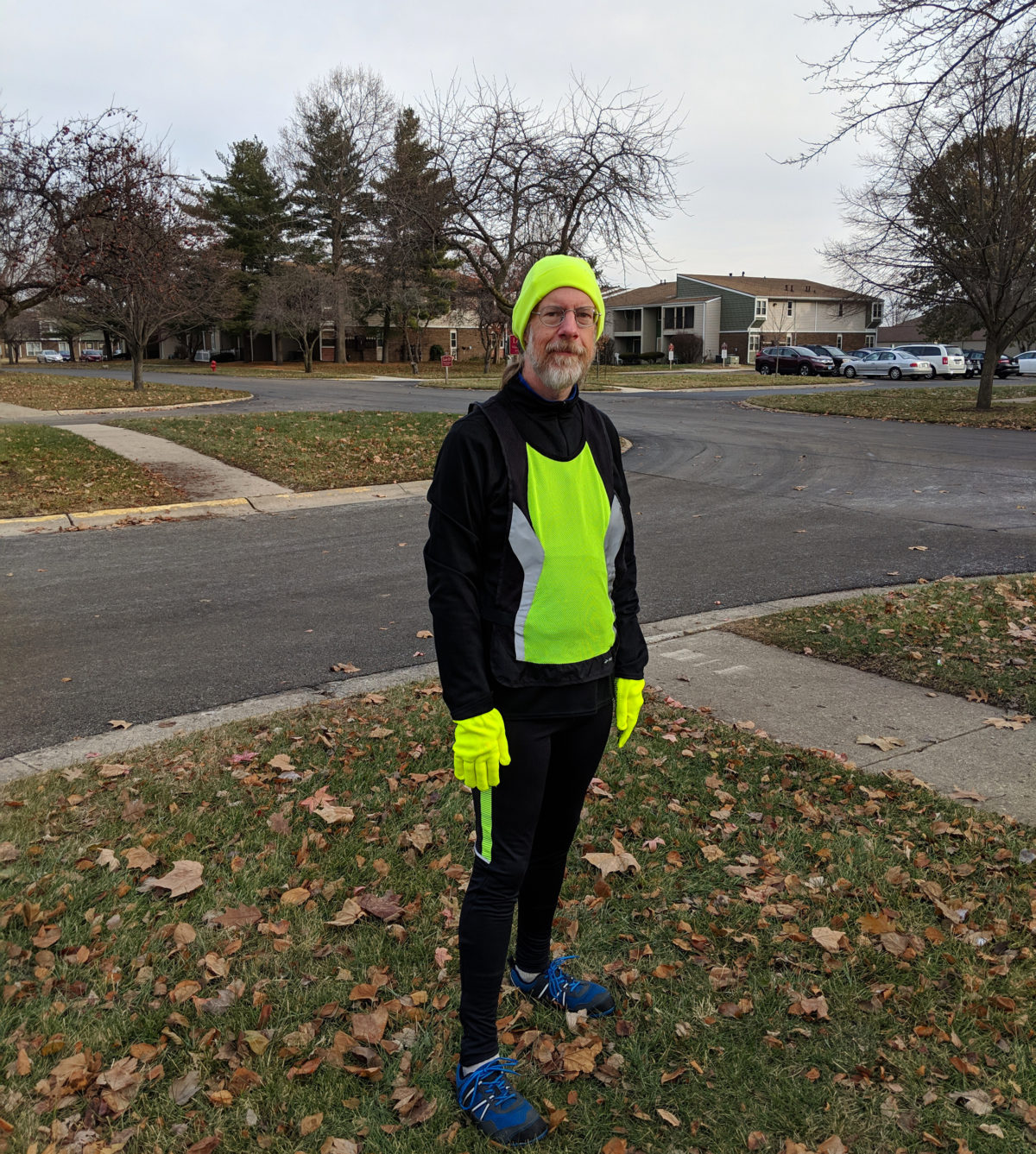
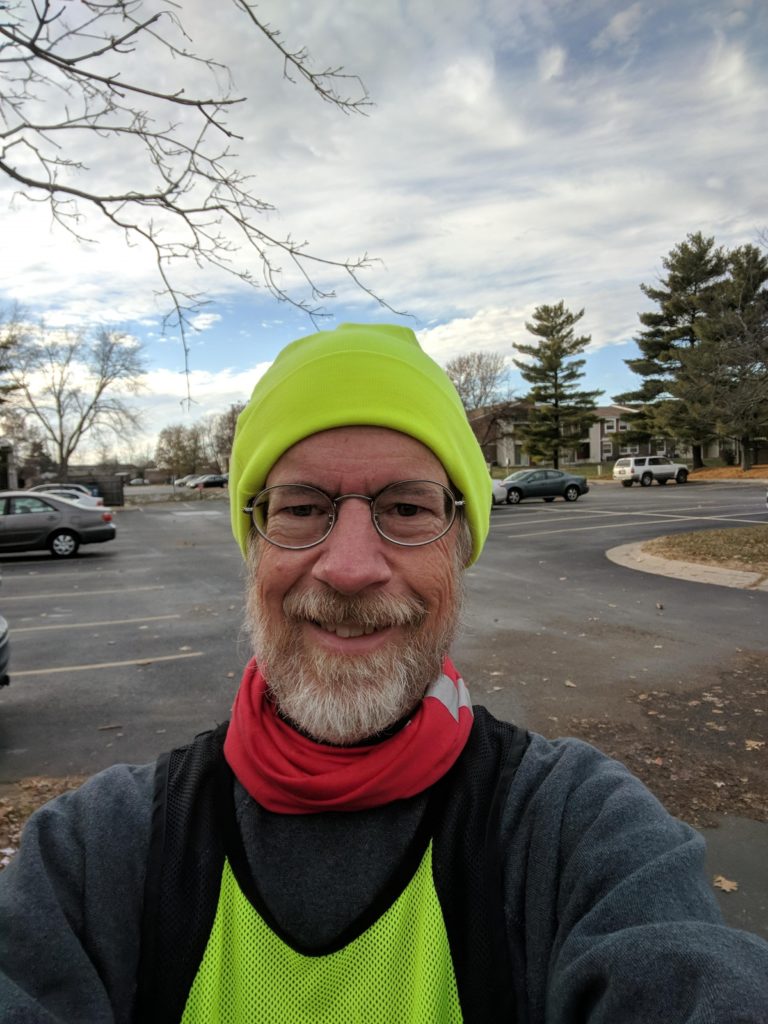
To this I gradually added a machine-washable merino wool hat in high-viz yellow, a pair of high-viz yellow gloves, and a pair of lighter-weight tights suitable for wearing in moderate cold.

That little burst of consumerism turned out to be highly effective. First, it meant that I had the right clothes for the conditions, from pretty cold up to just barely too cold for shorts and a t-shirt. Second, because I wanted to give my new gear a try, I got out for at least three (probably more like six) runs that I’d otherwise have skipped, just because I wanted to wear my new tights or my new hat.

And so, for the first time since 2004 I have come into spring with a running base that prepares me for serious training right off the bat. I can comfortably run 10k, so I could compete in any 5k or 10k race this spring. I could easily be in shape for the 7.1-mile Lake Mingo Trail Race in early June. I’m probably within striking distance of being in shape for a half-marathon (although not the Illinois Marathon half-marathon in less than three weeks).

Mainly though, I’m in shape to just keep running on through the spring and summer. And maybe, just maybe, next fall.

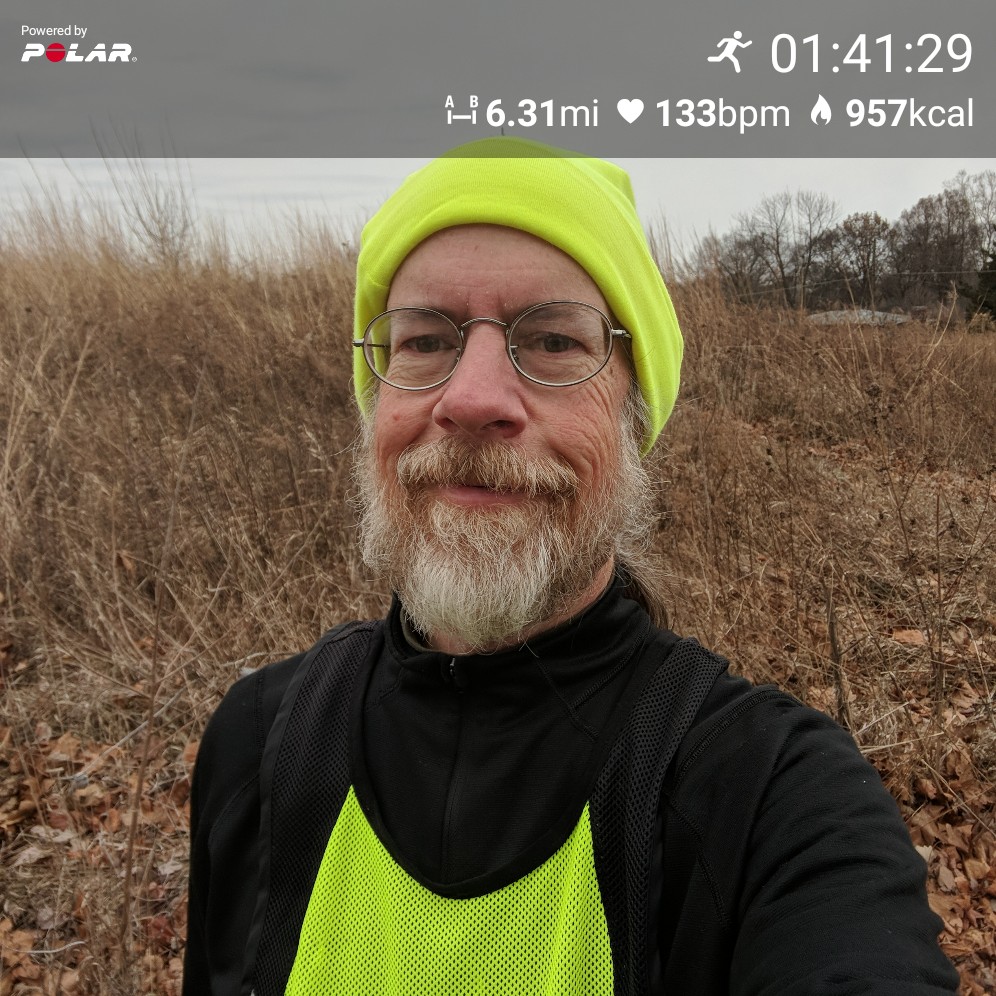
Behold a gallery of running-related images from the winter, most of which were shared to my twitter feed sometime along the way:

Everybody knows that you come to be like the people you hang out with, and most people understand that you can take advantage of this to improve your life. If you want to be more productive, hang out with productive people. If you want to be an intellectual, hang out with intellectuals. If you want to be healthy, hang out with healthy people.

I rather suspect this last is something hardwired in our brains, probably explaining part of the stigma faced by people who are disabled or disfigured. Probably strongly selected for in circumstances where infectious disease is a major cause of mortality.

I have always assumed that this is primarily mediated by lifestyle, with the shift largely produced by adopting pieces of the lifestyles of the people you hang out with. Hanging out with people who read a lot normalizes reading a lot. Hanging out with runners normalizes taking up running.

It should have been obvious—maybe it is obvious to everybody else—but it only recently occurred to me that a large part of this may well be mediated by microbiomes.

Your microbiome will shift to converge with the microbiome of people you hang out with. (Of course, theirs will also shift to converge with yours.) If you share meals with someone, your intestinal microbiome with shift toward theirs—probably more so and more quickly if you share a kitchen, utensils, or food prep tasks, and probably more so yet if you share a bathroom. If you share a touch with someone, your skin microbiome will shift—again, more so and more quickly if you share a bed with them.

Actually, an anecdote on this last: When I met Jackie she had a fungal infection of the skin that she’d picked up in India, and that had persisted for years. She treated it with tolnaftate, which worked adequately to knock it down when it became annoying, but had not cleared it up, either in India or after she came home. However, a few years after we got married I noticed that it seemed to be gone. With no evidence whatsoever, I’m inclined to take credit for this, figuring that my skin microbiome contributed useful organisms that her skin microbiome integrated in a way that eventually let it displace the fungal organisms.

So far, all the efforts to find an “optimal” microbiome have foundered, probably because the problem is intractably complex, being inextricably connected with the genes of the host, multi-generational epigenetic history, the immune system (and its lifetime history of chemical and biological insults), along with all the obvious factors—what organisms initially seeded the microbiome, history of antibiotic use, diet, etc.

Because of that, I’m much less interested now in interventions such as probiotics. More and more I’m inclined to prefer what used to be pretty obvious: Trust your immune system to cultivate a healthy microbiome (and hang out with healthy people to give it a little extra to work with).

As a big ol’ data geek, I’m by default interested in any metrics that I can get, especially ones related to me.

One of the metrics tracked by the Oura ring is body temperature, which is a metric don’t normally pay much attention to unless I think I might be sick, and I haven’t wanted to get sick just to explore this feature of the Oura ring. But a couple of days ago I did something much better: I got my shingles vaccination.

(I’ve been trying to get my shingles vaccination for months now, since they changed the recommended age from 60 to 50 and my insurance company started covering it for young folks like me. But with all the younger boomers thinking the same thing, the vaccine became scarce. Jackie and I finally tracked down shots last week.)

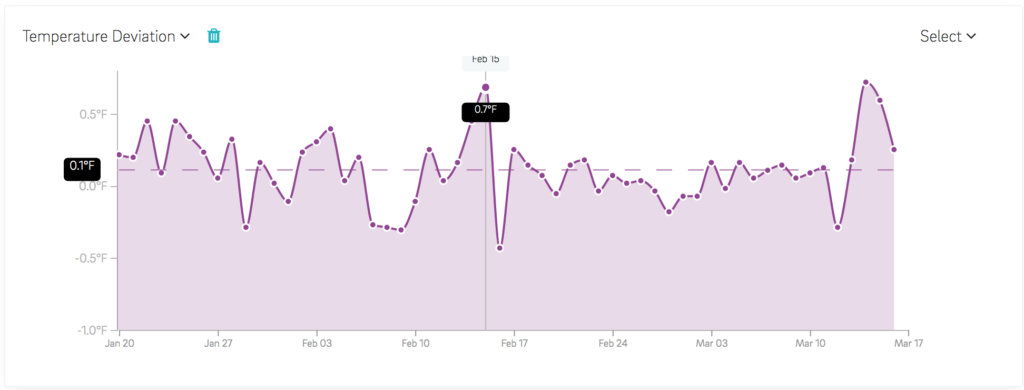
My immune system viewed the shot as something of a stern challenge, and sure enough my body temperature became elevated. In the graph below observe the last three data points, which show a spike to 0.7℉ above my baseline, followed by a 0.6℉ elevation the second night. Last night was only 0.3℉ above the baseline and back down in the normal range. (Near the middle you can see another spike to 0.7℉ above baseline followed by a negative deviation of a similar amount. That excursion was, I think, related to life stress.)

Graph of body temp, ending with a sharp spike gradually returning toward normal
My average nighttime body temperature deviation from baseline for February 10 to March 16 2019.

Observing that I was under some stress, the ring has been advising me to take it easy for the past couple of days. Knowing that the stress in question was a healthy one, I didn’t take the warning too seriously. The weather was nice the day after the shot, so I went out for a run, despite my ring’s advice.

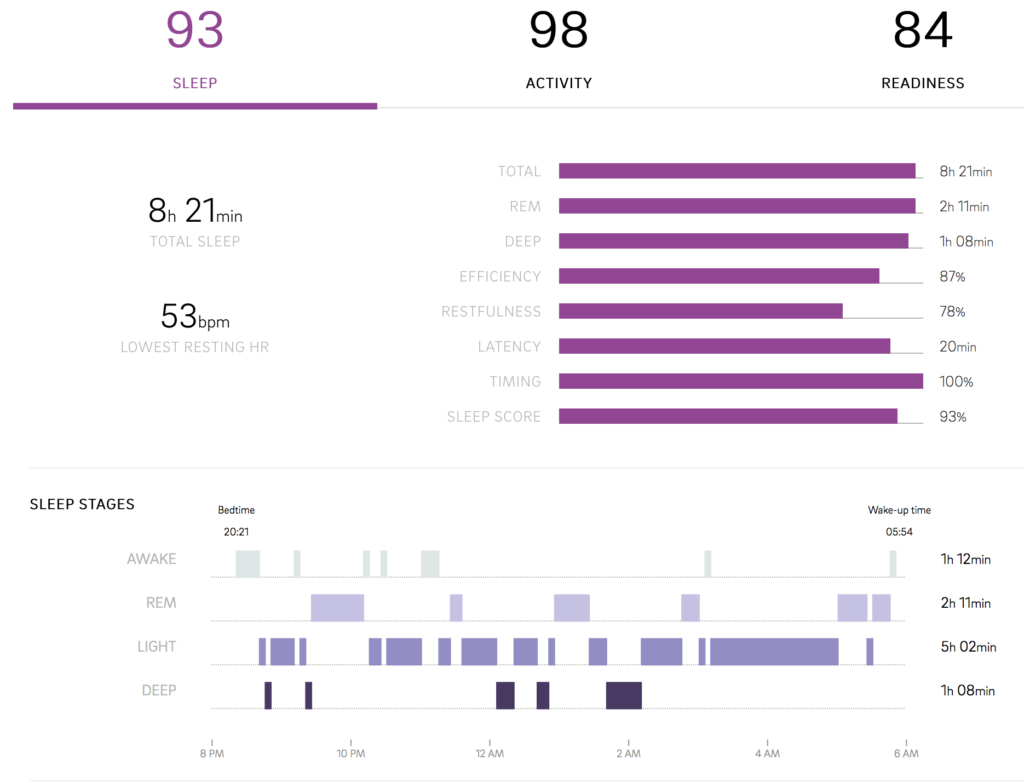
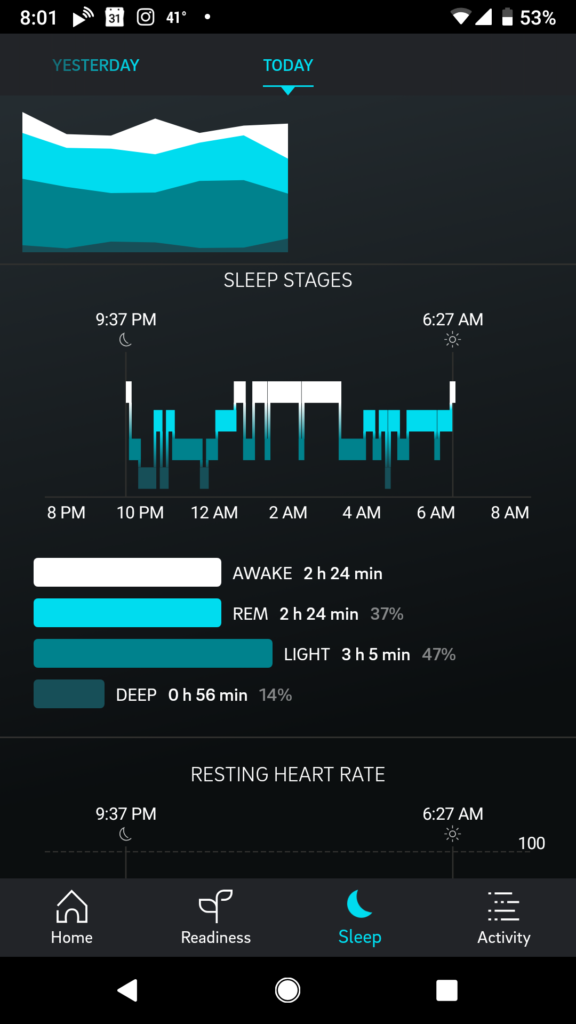
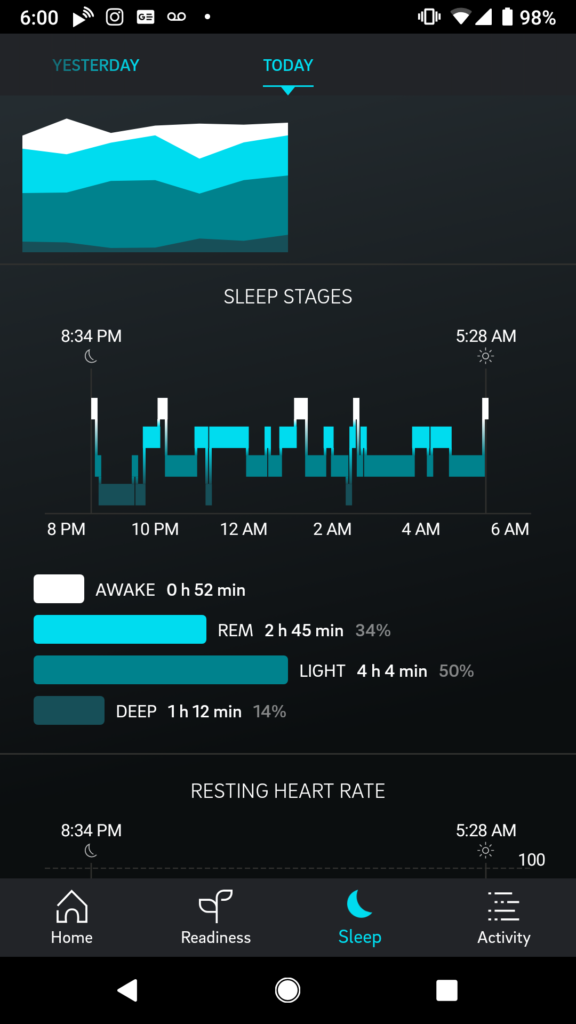
Despite disregarding that particular day’s advice, I’ve actually been paying rather close attention to the ring’s indications as to my readiness. For example yesterday, when my body temperature and other factors suggested that I was still not recovered, I did take it easy—and I have been rewarded with an excellent night’s sleep and a moderately high readiness score for today:

Sleep panel from Oura ring dashboard.

Perhaps today will be a good day for a long walk. By the middle of the week we’ll have some more excellent running weather, and hopefully I’ll be ready for it.

This year’s review of my movement practice will be a bit less detail-oriented than last year’s, when I included a long list of exercises, and a long list of non-exercise movement that I’d engaged in over the year. This year I exercised a bit less and moved a bit more, and came to a balance that I’m pretty happy with—that I don’t feel much urge to analyze.

I continued the winter exercise regimen that I described a year ago for the rest of the winter, but then let most of it go in favor of less-structured movement. As I say, I’m pretty happy with what I ended up doing, although the result was a decline in some of the strength increases I’d made.

Summer included a lot of solo walking (mostly in natural areas very close to home) and a lot of walking with Jackie (in a wide range of environments, including natural areas somewhat further afield).

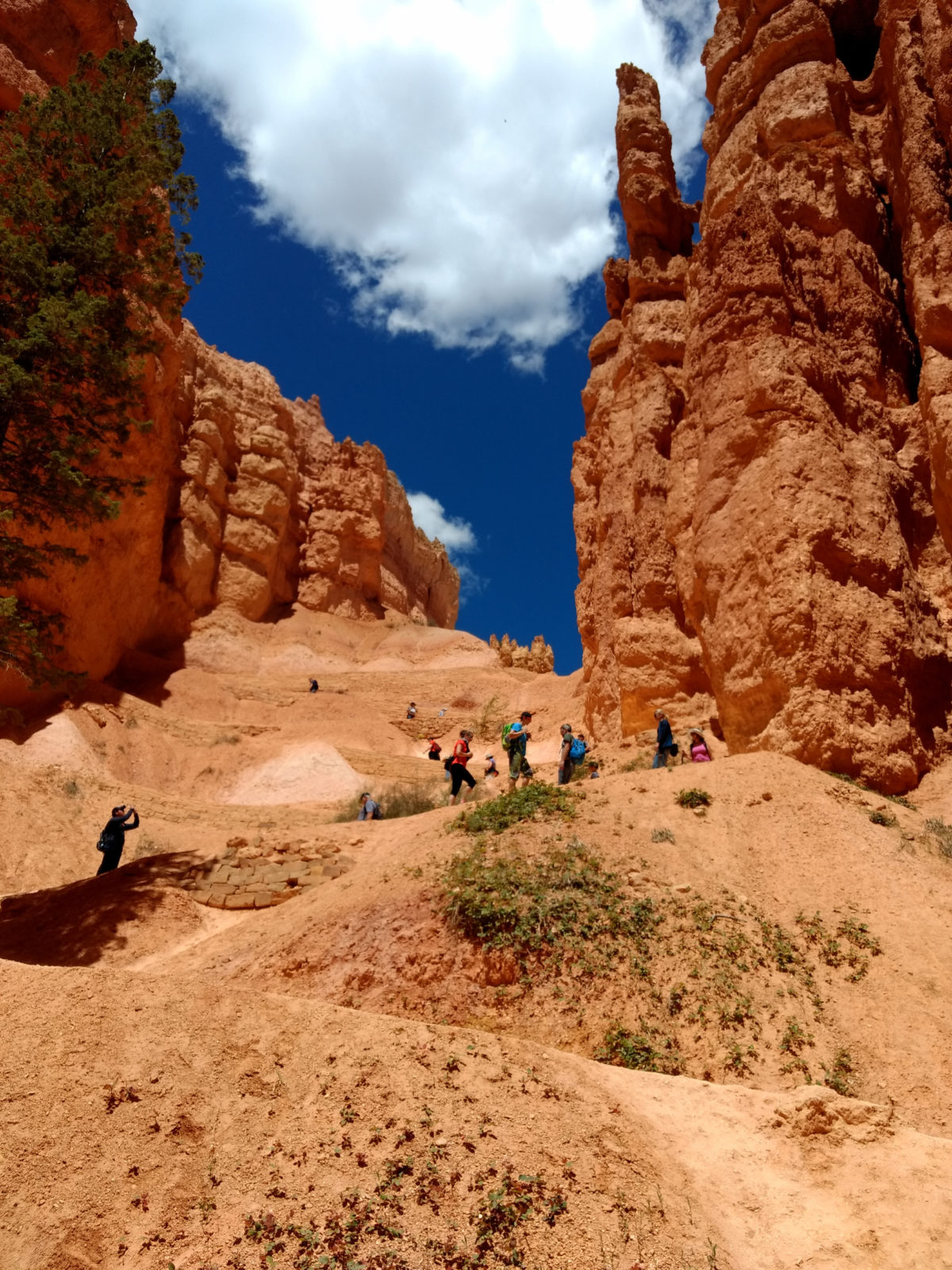
One major piece of our walking was our big trip to Utah, where we got in plenty of hikes in Bryce Canyon, Zion Canyon, and Arches. (See image at top.) The length of any particular hike was nothing to write home about (although we did write home a bit), but the ruggedness—and especially the steepness—made the hikes very different from anything we manage at home.

Basically, summer was great—lots of time spent in the sun, lots of walking, lots of time spent with my sweetie, lots of time spent alone.

As summer transitioned to fall, I had the same problems I usually do, perhaps slightly worse this year than average because the transition seemed more abrupt, with early fall being unusually cold. Happily, late fall was no worse than early fall, and what was unusually cold for early fall is actually rather mild for early winter.

One thing I have done this fall is get back to running. In the past I’ve always meant to establish a running habit that I can carry forward into the cold months, and I have nearly always failed. This year, so far, I’m doing okay, getting in a couple of runs a week, with long runs of 5 miles or more. With just a little luck (not too icy, not too much bitter cold) I’ll be able to carry a lot more aerobic fitness into the spring than I usually manage. That would make it possible to do a spring running event, if I want.

I’ve had very good luck this year on the injury front, managing to stay healthy though the whole year.

I still teach taiji, both the beginners class and a class for continuing students, and it remains rewarding it all the ways it has been—physically (I get my own taiji in), mentally/emotionally (I get my meditation in), socially (I gather with a group of friends several times a week), and financially (admittedly in a small way).

Looking ahead, I’m rather inclined to stick with a movement focus, spending more time doing stuff (moving) and less time preparing to do stuff (exercising).


For a couple of years now, I’ve been having some trouble sleeping. It’s not a constant problem, but it has become more frequent than the rare thing it used to be.

I think the problem is just a string of one-off instances of stress. During this period I had one older relative begin having cognitive difficulties and have to move to a facility that could provide additional care, my cat got sick and eventually died, had some personality clashes related to volunteer work I’m doing grow into a problem that eventually involved lawyers, and had another older relative began showing signs of cognitive difficulties.

Each of these resulted in a pattern where I’d fall asleep just fine, but then wake up in the middle of the night and start ruminating about the issue of the day and be unable to fall back to sleep for an hour or three.

In the past when I had problems of this sort they tended to be short-lived. I’d stress out about something for a night or two or three, but the issue would be resolved soon enough and I go back to sleeping fine.

Here the issues have stacked up, new ones following the old ones.  Further, some of them don’t go away. They linger on.

As I say, I think that’s what’s happening here. Ordinary life stresses have simply come at me a little too hard and a little too fast, with the result that my sleep has been impacted.

However, maybe that’s not all that’s going on. Maybe there’s more to it. I know there are some other issues. For example, if I don’t keep my carb intake down my nasal congestion returns, and that dramatically interferes with my sleep.

Given that I’m not sure what all might be wrong, I thought it might make sense to investigate further—gather some data, and see if I couldn’t find some patterns in my sleep problems. To that end, I bought an Oura ring, a tracking device along the lines of an Apple watch or a Fitbit, but with its focus specifically on gathering and analyzing data about sleep.

I’ve only had it for a week so far, and I’m really just getting started at looking for trends in the data. For example, three nights ago I slept poorly (awake for almost 2.5 hours of the almost 9 hours I was in bed).

One possible reason was a too-large meal too late in the day. (It was the Winfield Village holiday party.) One piece of data that suggests that possibility is that my body temperature was elevated by 0.3℃ during the night—perhaps because of increased metabolic activity digesting all that food.

Interestingly, I got more deep sleep than I had all week up to now, perhaps because I went for a long run the day before. (Deep sleep is where you get the physical recovery from things like heavy weight-lifting sessions and long runs. Maybe the first few nights had less deep sleep simply because I didn’t need more than that, because I hadn’t had the hard workouts that require deep sleep for recovery.)

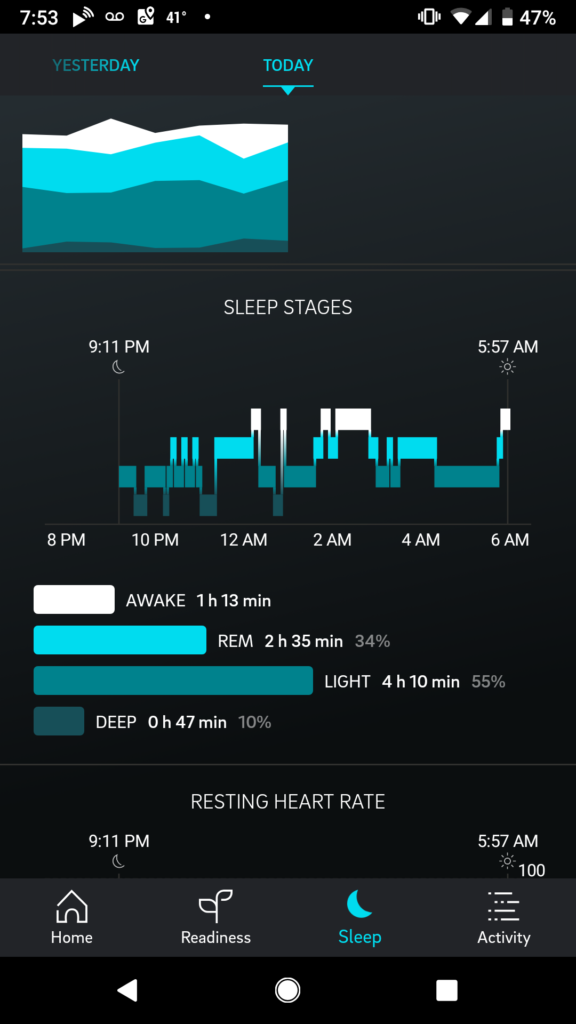
Here’s the next night, where I spent less time awake and almost as much time in deep sleep:

My body temperature was still up, though, even without the big meal. We had turned the thermostat down one more degree, but that’s about as low as we want it, so last night I rearranged the covers, removing the down comforter, going with just the wool blanket. I don’t know if that was a key change, but I slept very well last night:

Not only were my quantities of total sleep and deep sleep good, some of the other metrics were good as well. My temperature deviation was -0.3℃, which suggests that maybe I’ve got the covers and thermostat thing balanced just about right. My resting heart rate was down to 47, which suggests that I’ve recovered completely from the long run I took three days ago.

My hope is that by paying attention to this sort of thing, I can gradually eliminate these sorts of problems affecting my sleep. Of course that will leave me with the stress-related problems, but I think I know how to handle those—fixing the ones that can be fixed, accepting the ones that can’t be fixed, and engaging in appropriate self-care to help myself handle the stress better. And, of course, get enough sleep.

I have never been a winter runner. Most years I start running in the spring, ramp up the length of my long runs during the summer, make a plan to keep running through the fall, and then abandon it at the first sign of cold.

I’d like to run over the winter. Exercise helps as much as anything else I’ve tried to stave off SAD. Besides that, there are any number of spring running events that I’d enjoy participating in that I can never do because I’m not in shape until later in the year.

And so, demonstrating my unwillingness to learn from experience, I’m trying yet again to run over the winter.

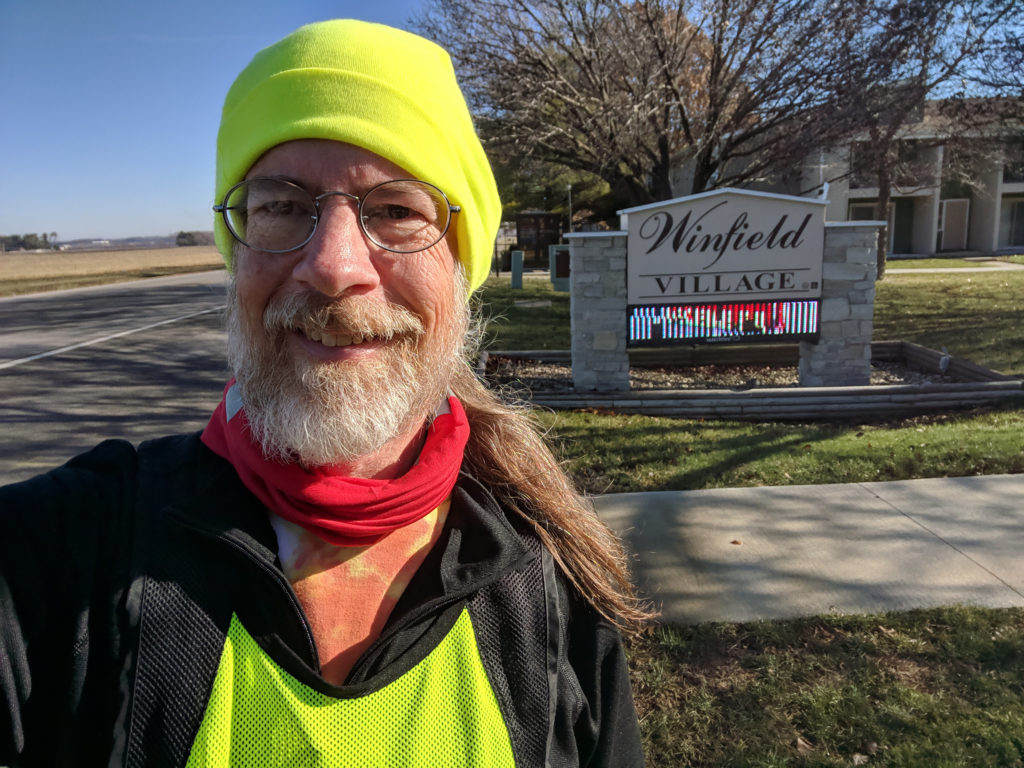
Me in my high-viz gear

To help get myself started, I’ve embarked on a consumer binge. First I bought a high-viz hat. (I already had the high-viz running vest and the red buff with reflecty stripes.)

The hat got me out for a run or two.

Another garment that I didn’t really have was running tights. Having a pair of running tights, I figured, would eliminate one more excuse for skipping a run in the cold. Plus I was able to find a pair marked down from $80 to $20.

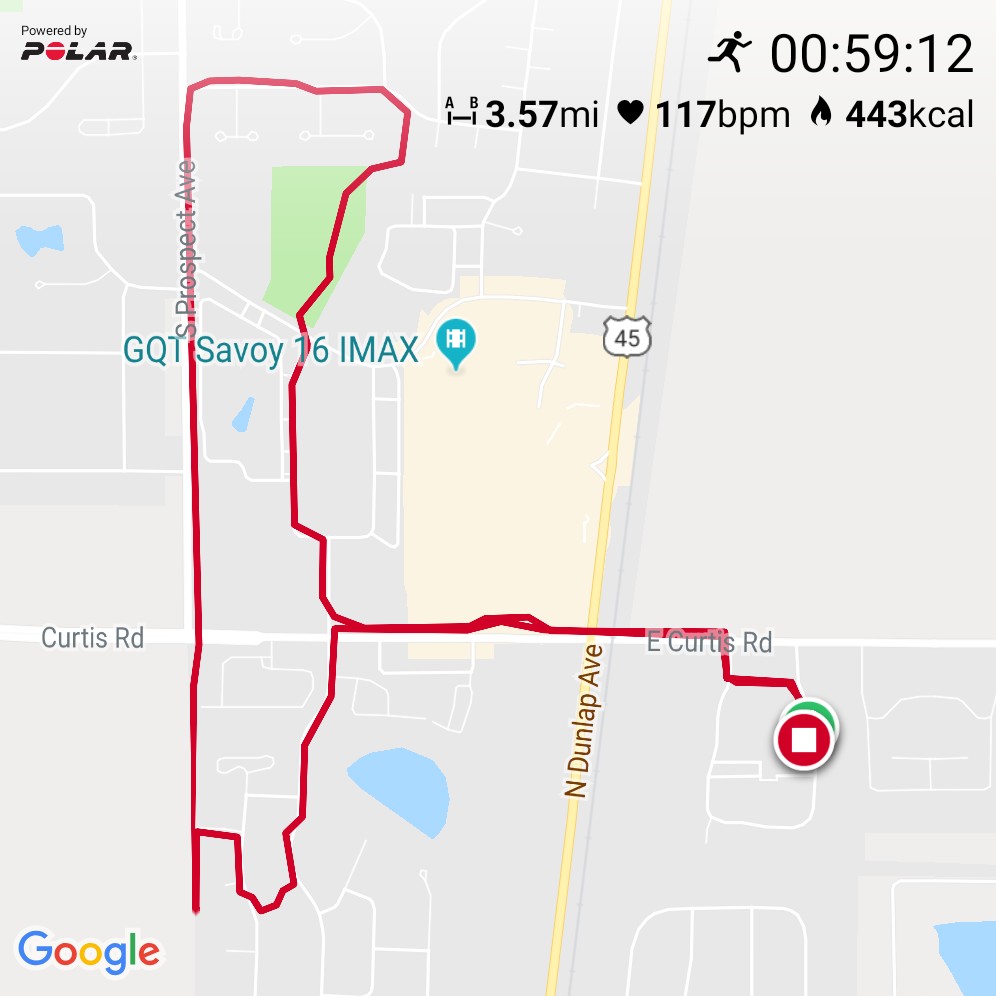
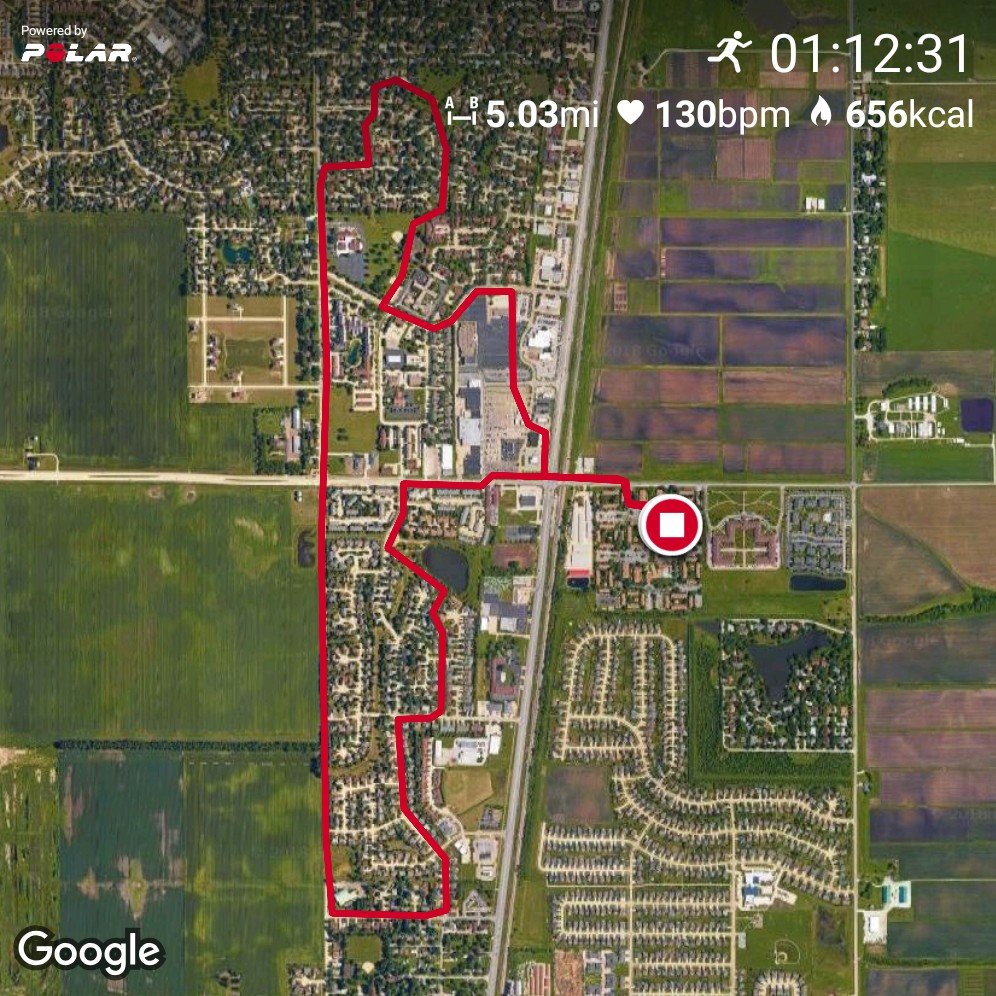
I wore the tights for a 5-mile Thanksgiving Day run. (See map at top.) That’s my longest run in a couple of years, and I felt great right along—no sore ankles, and no sore knees (the places that tend to hurt when I push the distance up too fast).

I did wake up this morning with sore feet—classic plantar fasciitis pain. My feet only hurt for a few minutes in the morning, which is typical with minor plantar fasciitis. I expect it will resolve itself in just a day or two, but even if it does, it’s a pretty strong indication that 5 miles is as far as I should run for a while. (I’d had no foot pain after my previous long run of 4 miles.)

To give my sore feet a break I didn’t run today, opting instead for a 3.2-mile hike at Homer Lake. The trails there are pretty flat and level, but there are some places with lots of tree roots right at the surface, which make for a nice complex surface to walk over, giving one a chance to mobilize the foot joints, highly beneficial for preventing plantar fasciitis.

I’ll post further winter running updates, if I manage to get the habit established this year.

On my Flickr feed I shared several pictures of the rocky canyon paths that Jackie and I hiked in Utah with the tag “vitamin texture.” Katy Bowman uses the term to talk about how always walking on flat, level paths fails to provide some of the “movement nutrients” our feet, ankles, calves, knees, and other body parts need to be healthy and capable.

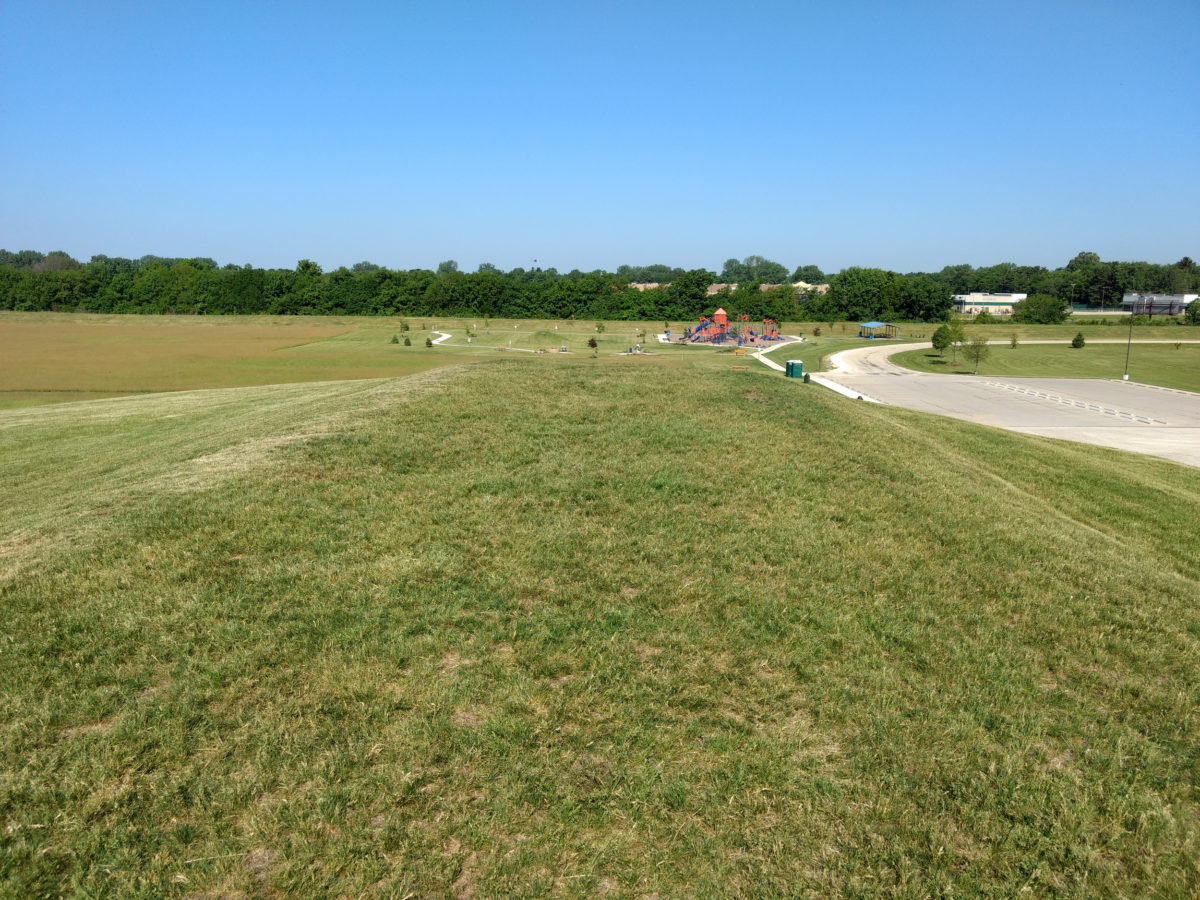
There’s not much in the way of rocky terrain here in Central Illinois (although there are some forest paths with enough exposed roots to produce a reasonable degree of ruggedness). There’s also not much in the way of ordinary hills unless you’re willing to drive for at least half an hour, but I do have one reasonably convenient hill: the highest point in the county is just a couple of miles away—a man-made hill in Colbert Park.

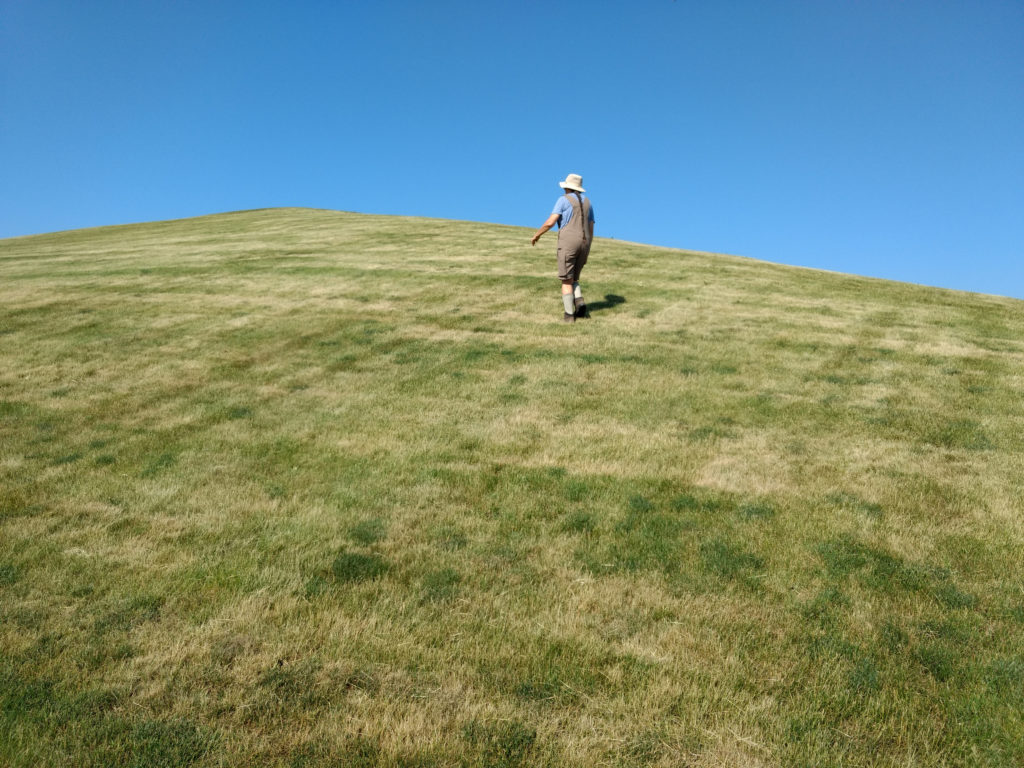
Jackie and I walked there a couple of days ago and climbed up and down the hill a couple of times. The image above is the view from the top of the hill, and here’s an image of Jackie walking up:

It’s not like the climbs in the canyons:

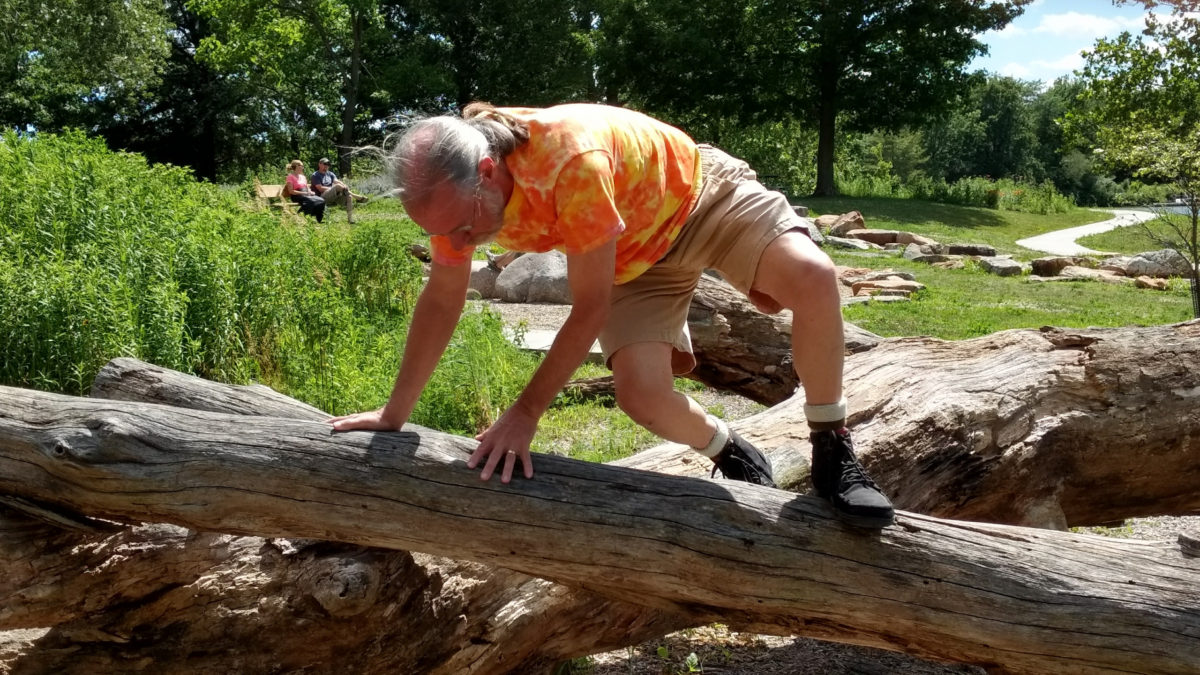
Looking up

But it’s steep enough to provide a good calf stretch.

I’ve thought to use the Colbert Park hill for running hill repeats, but it’s just far enough that I’m generally not up for running there, running hill repeats, and then running home. (I think I did that one time, about two years ago.) I could drive to the park, but that just seems too lame. Still, my running is coming along okay this spring, so maybe I’ll be in shape to do hill repeats in the middle of a five-mile run pretty soon.

When I started writing about frugality for Wise Bread, one of the points I tried to make was that my perspective was basically a hedonistic one: I was not denying myself things I wanted; I was instead choosing to spend my money purely on the things I wanted most. It recently occurred to me that I am approaching movement in exactly the same way.

My mom suggested that my lifestyle—healthier now than it was a few years ago, and much healthier than it was for many years before that—might help me live a long time. I admitted that this is something that I think about, but in fact long life is really a secondary (or even tertiary) consideration. I’m doing the things I’m doing—eating better, moving more, moving more of me—not because I think it will make me healthier when I’m old, but because it makes me feel better right now.

(I’m sure my friend Chuck will come along in the comments shortly to point out that I’m already old. Thanks in advance, Chuck.)

My point here is that my movement practice is a hedonistic one. I feel better when I move more. I feel better when I move more of me.

Although there is a psychic benefit—thinking that I’m doing something healthy makes me happy—and a long-term aspect—my workout three days ago has left me feeling better today, and I’m sure my exercise practice over the past three years has made me feel much better right now that I would have felt without it—these things are not what I’m talking about.

I’m talking about this: I feel better while I’m moving. Going for a run feels good. Going for a walk feels good. Picking up something heavy feels good. Stretching feels good.

If a movement doesn’t feel good, I immediately quit doing it. I could probably get stronger faster if I was more willing to push through the pain of picking up something that was just slightly beyond my capability, but I don’t. I don’t because the whole endeavor is a hedonistic one. I’m not doing this to get stronger faster. I’m doing this because it makes me feel good right now. If it doesn’t make me feel good, I stop.

I’m pretty pleased with 2017 on a movement front. As I sat down to write this, I had been feeling a little discouraged about how slow my progress seemed on the strength front, but when I looked back at where I was one, two, and three years ago, I can see that I’m actually making steady progress. (And, after I’d started drafting this post, I managed to do a chin-up, so I’m especially pleased about that.)

I feel like I’ve pretty much managed to internalize my realization that movement trumps exercise. I certainly don’t move enough, but I’m much more inclined to notice now whenever I do something that minimizes or outsources my movement. This gives me a chance to say, “Never mind. I’ll go ahead and do that myself.”

Since I don’t move enough, I have to add exercise to the mix. Especially in the winter, when the cold and the dark and the ice make it tough to fit all the movement in, I exercise. And I pick my exercises with the goal of improving the capabilities—mobility (especially), strength, control and access to appropriate movement patterns—that I found were limiting factors last summer.

This last—access to movement patterns—is new. I’m just coming to realize that in many cases my limitations are not (or not entirely) a lack of strength or flexibility, but rather are due to poor patterning of the movement. More on that below.

Exercise

I stuck with the exercises I’ve been focusing on for three years now, and added a couple.

Squatting

I finally made real progress in squatting, and it turned out to be a really simple thing that made the difference—and probably a movement pattern thing.

In one of the classes I took with Ashley Price, she had us find the best squat we could do with perfect form. That is, we got in neutral posture with our feet hip width apart, our feet pointing straight forward, our femurs neutral, and then we squatted down only as far as we could go while keeping our shins vertical.

My discovery was that by first getting as far down as I could with my shins vertical, I was in a posture that let me easily lower down the rest of the way into a deep squat. It’s not a perfect deep squat (I wouldn’t want to load up my back with a heavy weight and lift it) and it’s not quite to where I can comfortably rest at the bottom of a deep squat (although it is getting pretty close), but it is now a useful capability. For example, on the last day of the year I got down in a deep squat to look over the choices in our liquor cabinet, and ended up lingering there for some little time. (The range of choices is rather large just now, thanks to a generous gift and a bit of splurging on our own.)

Basically, I’m happy with my progress on squatting.

Hanging

Here I’m finally making great progress—chin-up!

Other than that I’m pretty much doing what I’ve been doing—negative pull-ups. Sometimes I do them for volume (I’ve done as much as 3 sets of 7, or 2 sets of 8 plus a few). Other times I’ve been doing many fewer sets and reps, concentrating instead on doing them very slowly.

Just since doing my chin-up I’ve begun to recognize a movement pattern issue here as well. Based on how sore my traps were after my first chin-up, while my lats weren’t sore at all, I think I’m failing to initiate the pull with my lats. I’m addressing that two ways. First, I’m doing the negative pull-ups very slowly, trying to find the point where I transition to using my lats and emphasize that part of the move. Second, I’m trying to specifically engage the lats by pulling my shoulders back and down before trying to pull myself up.

Besides all that I’m sticking with my other hanging exercises—swinging side-to-side and back-to-front, leg raises, knee-ups, and I’ve added some twisting knee-ups as well, turning my hips to alternate sides and raising my knees toward my elbow on that side. I’m also ready to start doing some traversals along the bar.

Wall dip

I haven’t made much progress here, for much the same reasons as last year: wall dips are hard, and I’ve been working on various progressions instead. I play around with bench dips and (rather shallow) parallel bar dips and wall supports.

Another reason I’m not making much progress here is that for my main pushing exercise I’ve been emphasizing pushups.

Toe stretches

I’m reasonably pleased with my progress on toe flexibility as well, even though I haven’t actually increased my range of motion much. What I’ve done is improve my ankle dorsiflexion enough that I’ve been able to start doing the things I couldn’t do because of limited toe flexibility.

There’s a particular move I wanted to be able to do, that involved shifting from a squat to a deep knee bend, then lowering the knees to the ground and then kneeling. It can also be reversed by flexing the ankles to tuck the toes under, rocking back to get into a deep knee bend, and then shifting to a squat for standing back up.

Among other things, this is a martial arts move: You can move from kneeling to standing while keeping your hands free to block an attack (or prepare to launch one).

I can sorta do that now. Not smoothly, and not without an amount of toe stretching that feels a bit excessive, but vastly better than two years ago where a single attempt hurt my knees and toes enough that it took weeks to recover.

Pushups

As I said, instead of dips I’ve instead been focusing on pushups. I’ve made good progress here as well: I can now do 8 pushups (up from 1 a little over a year ago). I’ve also greatly improved my form—keeping my elbows tucked in close to my sides, rather than letting them flair out as I’d probably done since I was a kid in gym class. (Your humeri should be neutral with your elbow pits pointed forward.)

Now that I can do 8 pushups it’s about time to start doing multiple sets—maybe starting with 2 sets of 5? I’ll try that in a couple of days.

I don’t have long-term plans to emphasize pushups though. I’ll keep doing them, but once I can do a couple of sets of pushups and still have some strength left in my triceps, I’ll get back to work on the various sorts of dips.

Kettlebell swings

This year I added kettlebell swings to my exercise regimen. I want to talk about this a bit, because there’s a story here.

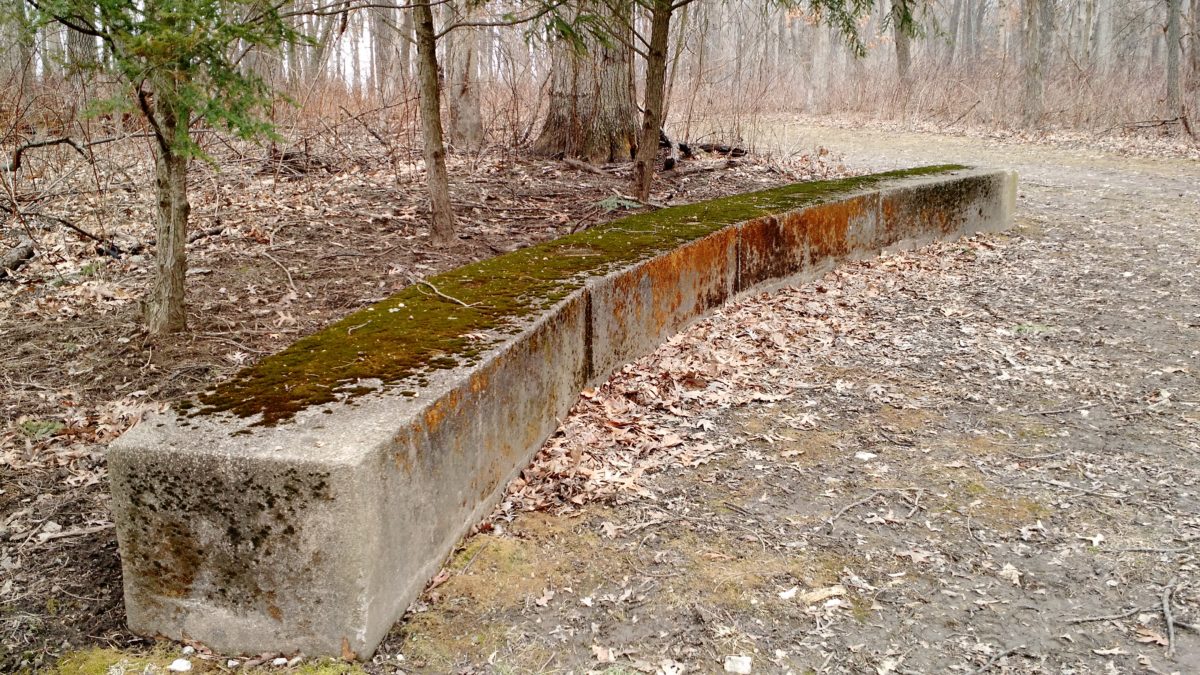
About a year and a half ago I was out on a very long walk with Jackie. Toward the end we sat down on some concrete benches for a short rest, and I found that there was an uncomfortable lump right behind where I was sitting. Shifting around to find a lumpless spot was not successful. Eventually I figured it out: I had lost enough weight that I no longer had enough cushioning to keep my tailbone up off the bench; the lump I felt was my coccyx.

Figuring that bigger glutes would be a better choice for keeping my coccyx up off the bench than fat anyway, I started boosting the weight I used in my goblet squats. Then I remembered an old post by Tim Ferris that recommended kettlebell swings as the best glute exercise. Then some anonymous kind soul donated a 45 lb kettlebell to the Winfield Village fitness room.

Looking at my training log, it appears that I started doing kettlebell swings in January, and worked up to 3 sets of 25 by April. As Tim had recommended 75 reps as a target, I’ve left it there. I don’t have data on the size of my glutes, but I’m no longer bothered when I sit on a hard bench.

I use the kettlebell swings as my high-intensity interval training as well. A set of 25 swings spikes my heart rate up right toward my max heart rate. (I’ve actually seen heart rates above my estimated max heart rate, which just means that the estimate is a bit off.) Each set takes about 50 seconds, and I follow it with as much rest as I need to get my heart rate back down around 100, which works out to two or three minutes.

I’ve toyed with the idea of adding a fourth set, and might yet do that.

Non-exercise movement

My main non-exercise movement is and always has been walking. It was a bit limited in the second half of this year because I hurt my feet, and one foot in particular has taken a long time to recover.

I think what happened was this: I was waiting for the bus, which unbeknownst to me had been rerouted due to road construction. Seeing the bus zip past a block away, I took off running to try to catch it at the next stop. In the rush I think I must have fallen into an old heel-strike movement pattern, bruising my heels, resulting in this nagging foot pain. Only in the last few days of the year does it seem to finally be completely resolved.

Walking

I still walk a good bit for transportation, just less than I was doing before I hurt my feet. I’ve also done less walking with Jackie since she started working at Great Harvest bakery. (This does not mean less walking for her—she walks to work most days.)

I expect my walking quantity to return to its old baseline quantities in the new year.

Running

Running was also curtailed by my foot injury. Before I hurt my foot I had been increasing my running distances as well, working my way up to where I did an 8-mile run for the first time in many years.

Some of my running is exercise, but a good bit is movement (as, for example, the sprint to catch the bus where I injured my feet.)

Parkour

I did spend a little time with the campus parkour club, but once again timidity (both movement timidity and social timidity) kept me from doing as much as I might have.

Each summer I mean to step this up. Maybe 2018 will be the year.

Taiji

For most of the year I teach two taiji classes—a beginners class that meets for an hour twice a week, and a group practice for continuing students (we don’t consider ourselves “advanced”) that meets for an hour three times a week. Besides that I do some taiji and qigong throughout most days. I do some qigong to loosen up in the morning. I do some before lifting to warm up, and then I do some between sets as “active recovery.” I might do a whole short form when I feel like a little moving mediation would do me some good, or even a whole long form when I feel like a lot of moving meditation would do me some good.

Basically, I do a lot of taiji.

Even when I’m not teaching I include it as part of my daily movement, simply because it has proven itself such a powerful tool for helping me move and feel better.

Push hands

Over the summer I got back together with my friends who practice push hands a few times, but we were never able to get a regular thing going, which is very sad. I’ll try again next summer.

Stewardship work days

I have continued my practice of joining Jackie for occasional stewardship work days at natural areas in and around Urbana. (I even did one without Jackie—a prairie burn.)

These are perfect examples of non-exercise movement: We don’t do them for the exercise (although we get plenty); we do them to improve the land.

They are very satisfying for many reasons—doing hard work with friends is always satisfying, contributing to the community (making the parks better) doubly so. I think an additional reason is that the actual physical movements and mental activity that we do while locating and removing invasive plants is virtually identical to those that our hunting-and-gathering ancestors must have done for most of the past two hundred  thousand years. (I see now that I made exactly the same point last year.)

Looking ahead

With one possible exception, my plans for the new year don’t include big changes, just continuing progress. (The possible exception is treating myself to a month pass to Urbana Boulders and putting my new upper-body strength to work climbing walls.)

I have had some success in getting my mind right with the cold, this year in particular, but also gradually over the past several years. I’m getting in more outdoor exercise this year than last, and a lot more than I did five or ten years ago. That, plus the indoor strength training and the taiji, look to stand me in good stead for getting 2018 off to a good start.

We’re planning a spring trip to some national parks in southern Utah which will entail a good bit of walking, so we have that bit of extra motivation to keep up with our walking over the winter.

Happy New Year!